Sir David Omand: Inside the Minds of Spies

Sir David Omand: Inside the Minds of Spies


Sir David Omand: Inside the Minds of Spies

   |   By  |  0 Comments

25 October 2026

The Great Game of espionage is no longer played solely in embassies, diplomatic drawing rooms, or the shadows of imperial capitals.

Francesco Subiaco interviews Sir David Omand

The Great Game of espionage is no longer played solely in embassies, diplomatic drawing rooms, or the shadows of imperial capitals. Today, it unfolds through algorithms, satellites, hybrid warfare, and the invisible frontiers of cyberspace. Yet beneath the technological transformation of espionage, the ancient riddle of power endures: how to discern an adversary’s intentions without becoming captive to one’s own illusions. In John le Carré’s novels, the truth almost always arrives in disguise, concealed among half-confessions, calculated silences, and negotiable loyalties. For a spy, the greatest danger is not merely believing the enemy’s lies, but coming to believe one’s own.

From Kipling to Graham Greene, literature has portrayed espionage as a theatre of uncertain identities and moral compromises. Reality is less romantic: incomplete reports, ambiguous clues, and decisions made in the dark.

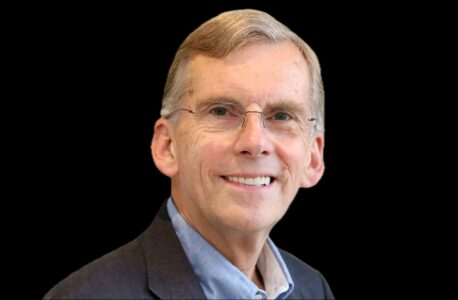
Sir David Omand

Sir David Omand knows this world from the inside. A former Director of the Government Communications Headquarters – GCHQ, the British intelligence, security, and cyber agency; and Coordinator of Intelligence and Security, the UK’s top national security and intelligence coordination role led by the National Security Adviser (NSA), supported by the Cabinet Office’s National Security Secretariat (NSS) and the Joint Intelligence Organisation (JIO).  He belongs to that rare breed of men who have witnessed history from behind the scenes, where government decisions intersect with information destined to remain classified for decades. His experience spans the end of the Cold War, September 11, and the return of great-power rivalry.

 Professor Omand has honored the Italian Institute of Strategic Studies “Niccolò Machiavelli” by offering his unique intellectual contribution and support as Member of the International Advisory Council, since the constitution of our think tank, in 2010. His distinguished curricula and exceptional determination in defending democratic values during his unique career, have incredibly enhanced the ethics, culture and ideals of our organization.

In his books, from How Spies Think to How to Survive a Crisis, intelligence becomes a discipline of uncertainty: distinguishing truth from plausibility, signal from noise, intentions from appearances. Gathering secrets is not enough; they must be interpreted without yielding to the most reassuring explanations. The finest intelligence analyst knows to distrust conclusions that align too neatly with the wishes of those in power.

You have served as Director of GCHQ and as the UK Government’s Security and Intelligence Coordinator. What did those experiences teach you about the world of intelligence? And, to borrow the title of one of your best seller books, how do spies really think?

Banner MI5 MI6 and GCHQ

I gave my book “How Spies Think” the subtitle ‘10 lessons in intelligence’ because I wanted to share at least some of what I had learned – not just from within the world of secret intelligence but from close contact with that world as a policy maker and customer for intelligence assessments. The first lesson to learn about intelligence is that our knowledge of the world is always fragmentary and incomplete, and is sometimes wrong. That applies whether we are talking about the huge amount of open-source information available these days or about the much smaller set of information obtained from deeply secret sources. These caveats about intelligence have important policy implications. You cannot rely on always having the reliable picture of what is going on that, ideally, you would want before important decisions are taken. Do not therefore base security policy on the assumption that you will always have advance warning from secret intelligence in time to take action to neutralise a threat.

How should intelligence information be collected, assessed, and presented to policymakers to prevent them from being misled or deceived by adversaries?

 In my book I summarise the approach with the acronym SEES: Situational awareness, Explanation, Estimation and Strategic notice. These are the types of information most useful to the policy maker or operational commander. The first type, situational awareness, is answering questions about what is going on: what, where and when. Being careful to test reliability of sources and watching out for deliberate deception in the sign and signals we have picked up. Explanation of why we believe we are seeing this situation is crucial. And hard, especially if we are trying to attribute actions where an adversary wants their hand to be hidden and is denying responsibility. That is a major problem today, both with Russian grey zone sabotages and other covert operations and with criminal cyber-attacks. Different explanations of events are likely to lead to different estimates over how matters may unfold and in the modelling of how an adversary may respond to any actions we take in response. Finally, I think it is important that policy makers are given what I call strategic notice of emerging longer-term developments and threats at the earliest possible opportunity, when a trend becomes apparent or there are technological developments forecast that may generate future threats. Such strategic notice is usually of long-term developments and therefore more likely to come from careful studies of open sources than from any particular type of secret intelligence.

I am impressed by the emphasis you give to this innovative explanatory approach to the intelligence cycle. Can you explain this process with a case study?

I should have added that in most cases explanation should emerge from all-source assessment of all the available information, including the historical record of the groups and nations that may be involved, rather than analysis of a single source of reporting. An example from the UK may help. In 2018, the Joint Intelligence Committee (JIC) in London concluded that it was a covert assassination operation by Russian military intelligence officers, that was responsible for the use of the banned nerve agent Novichok in Salisbury in an attack on the former Russian intelligence officer Sergei Skripal and his daughter. The attack resulted in the death of a British citizen. That attribution followed a careful all-source JIC assessment that ended up ruling out all the possible alternative explanations, including many outrageous suggestions made by the Russian authorities to try to muddy the waters. The Prime Minister acted on the JIC attribution and expelled 23 Russian diplomats, followed by mass expulsions by 20 other countries who accepted the British attribution. So, the consequences of explanation can be significant. As of course would be the consequences of getting it wrong. For example, when we interpreted Saddam Hussein’s obstruction of international WMD inspectors (weapons of mass destruction) as further evidence of his trying to hide prohibited wmd activities.

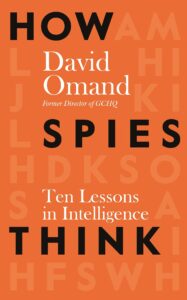
Book Cover How Spies Think

In “How Spies Think”, you emphasize that a central problem of intelligence is not simply gathering information, but interpreting them.

I would argue that interpretation is central to making sense of all our interactions with the world. After all, we do not (yet) have telepathic powers. We can only know about the world through information our brain processes after it has come to us through one or more of our senses. And we have plenty of evidence from careful psychological experiments over the last century that should persuade us that there are times when our senses can deceive us. In the case of well-known optical illusions, the data we have from the patterns of light reflected from the page, are interpreted by the brain as representing something they are not. The data, in that case the frequency and intensity of the light waves reflected off the image, is what it is. But its interpretation by our brain is ambiguous. I use the analogy of prosecution and defence lawyers seeking to convince a jury of their alternative narratives over the interpretation of the forensic evidence in a criminal case. For example, a young man is before the Court, with the prosecution alleging he threw an incendiary bottle (Molotov cocktail) during a demonstration on the basis that his fingerprints are on the fragments of the bottle. There is no dispute that these are his fingerprints. But the defence explains this by claiming that the bottle was in the recycling bin outside his home and was snatched up by the mob as they passed. The lesson is that the analyst must formulate alternative explanations and test them carefully. Usually, it is best to put forward the explanation that you believe is less inconsistent with the available evidence – remembering if you try hard enough you can always find some “evidence” apparently supporting even outrageous ideas. You have also to look for disconfirming data. But the preferred explanation is always of the nature of a provisional hypothesis and we have to be prepared to check our thinking if new information arrives.

Going back to your description of intelligence as “incomplete, fragmentary and sometimes wrong”, if it cannot always be relied upon, how then would you describe the value of intelligence? 

There is a case to be made that the remarkable evolutionary advances our species has developed in its human intelligence, is because they delivered exceptional value in the changing environments in which humans have had to survive. Intelligence must have improved the quality of our ancestors’ decisions on where to find food and water, how to evade the many predators, all the threats and hazards they would have encountered. I sum that up today by saying that the purpose of intelligence is still to help us make sounder decisions by reducing our ignorance of what we face. Even if sometimes it fails us, it still confers over time an overall advantage. Imagine a fund manager in the financial district. On any one day they may have done some bad trades. But if they are any good, over time they deliver alpha returns. Intelligence used sensibly and systematically has survival value. The purpose of secret intelligence of course is to help deliver that value in respect of the information that our adversaries, those who mean us harm, really do not want us to have, and may go to very violent lengths to prevent us acquiring.

Are there dangers when governments demand political loyalty from the Intelligence Community, as President Trump seems to be doing?

It is an ever-present danger in circumstances where governments do not respect the right of professionals to arrive at their own expert judgments, whether in military, medical, engineering or intelligence analysis, and to submit them without fear. Of course, in the end governments do not have to follow expert’s opinion, but they should recognise an obligation to consider it carefully and to be prepared to explain the reasons for not following it. In the democracies, that is what we would expect. Not so in the autocracies. That seems to have been a real problem with the assessments provided to President Putin before he launched his attack on Ukraine. It is difficult to imagine that the FSB and SVR did not understand that the Ukrainian people would resist Russian aggression, and that President Zelensky would not flee Kiev and abdicate at the first signs of the Russian attack on Kiev and thus leave the road open to a Russian appointed leader.

So, there are dangers in governments demanding political loyalty from their intelligence chiefs, as President Trump seems to require?

The US President has the legal authority to appoint senior officials in the administration, subject to the usual Senate confirmation rules, and that includes the intelligence agencies. But it was highly unusual, as President Trump did, to dismiss very senior intelligence, security and military leaders simply because they were appointed by the previous administration. That happened last year to the Director of NSA and Commander of Cyber Command, and his Deputy Director of NSA, last year, representing both a great loss of expertise to the 5-eyes sigint relationship as well as to US security itself at a time of growing danger not least from Chinese cyberattacks.

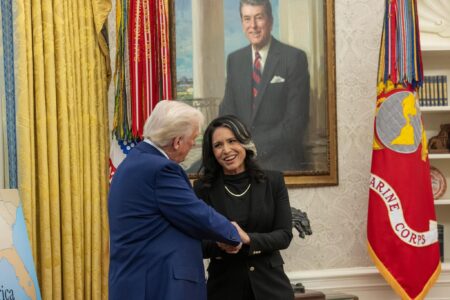
President Trump and DNI Tulsi Gabbard

Is that a risk you highlighted in your 10 lessons in intelligence?

Yes, if national leaders are seen to denigrate the professional advice they are given, and assert against the facts their own firm beliefs about possible threats, that is bound to create the risk of encouraging biased assessments. And that risk is bound to increase if intelligence officers come to feel their actual livelihoods may depend upon pleasing their masters by echoing their views.  But it is important to recognise that the risk of bias in intelligence assessments is not just from analysts consciously bending to the expectations of policymakers, which is historically rare.

What other sources of bias are you referring to?

 The final “lesson in intelligence” in my book is that it is our own demons that are most likely to mislead us. The unconscious biases that we all suffer from – and I mean all of us. Confirmation bias when we favour, and readily recall, information that supports our existing beliefs while ignoring or dismissing evidence that contradicts them. Anchoring bias when we rely too much on the first piece of information we receive. Perseveration, when we stick to our original line of thinking even in the face of contrary evidence. And many others. Since these are unconscious biases we need others to point out when we are suffering from them. Which is why I call intelligence analysis a team sport.

Such biases seem to have been a factor at the time of the US decision to topple Saddam Hussein in Iraq. After the mistakes made in assessing intelligence over WMD in Iraq, how much does the West still suffer from this tendency?

Important lessons were learned, and applied, after the independent UK inquiries into what went wrong with the Iraq WMD assessments. Those inquiries had full access to all the intelligence and policy files and took extensive evidence from those involved, myself included.  One result was a decision to professionalise the craft of intelligence assessment, making it a government specialist group (like economists and statisticians), providing more intensive training in a UK Cabinet Office led College of Analysis, facilitating the interchange of analysts to gain experience of the range of intelligence community work, and increasing the status of analysts within the intelligence community are some of one of the changes made. But the events of 2002/2003 in Iraq cast a long shadow. US and UK intelligence correctly assessed the intentions of President Putin in 2022 to use military force to try to overthrow the government in Ukraine, and conduct a false flag operation to provide an immediate excuse. We issued a warning. But leaders of some of our major partners pushed back on that assessment. They could not bring themselves to believe Putin had been lying to them when he had recently assured their leaders he had no such intention.

When do you see the clearest danger that intelligence may be interpreted retrospectively in order to validate an established political line?

A warning sign is when leaders exhibit hubris about their prowess in statecraft. That dogmatism often plays a part in underestimating serious risks. Driven by the unconscious influence of a settled conviction on the part of leaders that their policies simply rule out disaster. That leads in turn to planning being based on the assumption that bad outcomes will not happen because the policy being followed removes the risk. Always beware when reassured “that can’t happen because we have policies to ensure it cannot happen”. Or when reassured, after pointing out historical instances of things going wrong, that “This time it is different”. Unlikely events do sometimes happen. A tragic example was the Israeli intelligence failure over the brutal Hamas attack on 7 October 2023.

HaMossad leModi’in uleTafkidim Meyuchadim MOSSAD

Before the attack, according to Israeli media, there were Israeli military intelligence sightings of Hamas fighters training and conducting reconnaissance, and Israel appears to have even obtained a Hamas attack plan. But Ministers insisted that Hamas had neither capability nor intent to carry out a major attack. As a result, no warning of the likelihood of an attack was issued, and as a result no IDF operational contingency plan was created, leaving a long gap before an effective military response arrived.

Shabàk – Shin Bet

Behind that flawed judgment probably lies a fatal policy failure at Israeli Cabinet level to recognise and plan for major risks in their political strategy.


You have written that understanding President Putin’s Russia requires an analytical effort comparable to that once devoted to the Soviet Union.  Do we continue to project onto Russia an ideological framework that does not correspond to its own?

We might start by thinking about how Russia, like the Soviet Union when it existed, conceives of the primary rationale for their intelligence agencies. Western agencies see their primary purpose as to provide intelligence to meet the requirements placed on them by their customers, in defence, foreign affairs domestic security so on. I spent seven years as a member of the UK Joint Intelligence Committee that every week delivers to the highest levels of government strategic assessments on developments of concern. The intelligence chiefs are present at the National Security Council when Ministers discuss the implications of these assessments. Russian agencies on the other hand, like their Soviet counterparts before them, see their purpose as pursuing on behalf of the State a secret form of political struggle. Their job is to take “active measures” to exert influence on adversaries and weaken their political, economic, scientific, technical and military positions. The UK, Germany, Poland and other allies are seen as such adversaries, not least because of our support for the independence of Ukraine as a sovereign nation. Those Russian “active measures” today include subversion, disinformation, arson and sabotage, designed to damage and disrupt our support for Ukraine while staying just below the NATO Article 5 threshold of open warfare.

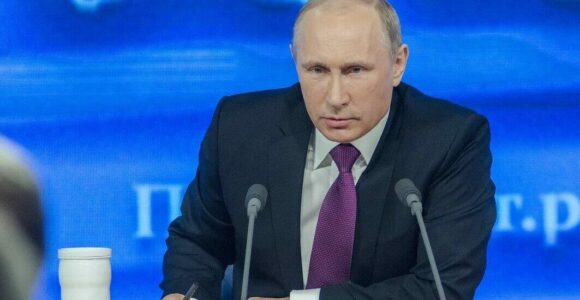
President Vladimir Putin

Is this what is meant when people like you define the Russian leaders “Chekists”?

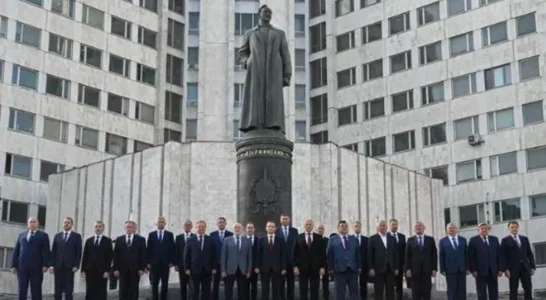
Yes, I trace this belief in “active measures” back to the days after the October Revolution of 1917. Lenin used the notorious Cheka secret police as his “shield and sword”, The job of the Cheka was less about collecting intelligence, and much more about detecting enemies and applying measures however harsh to destroy them. You can trace the present Russian secret agencies and their violent culture back to their KGB predecessors and before that the MVD and KI and MGB, the wartime NKGB and the notorious pre-war NKVD, and even before that to the OGPU and the GPU that emerged from the original Cheka when that was dissolved in 1922. Each generation passed on their violent outlook to the next. Putin had a new statue erected at the new SVR headquarters to the founder of the Cheka, Felix Dzerzhinsky or Iron Felix, after his original statue in front of KGB headquarters was pulled down by demonstrators at the end of the Cold War. That is why the Russian agencies today are still Chekists in orientation and training, busy today trying to disrupt nations like the UK, Germany and Poland that are supporting the independence of Ukraine against Russian aggression.

Russia Foreign Intelligence Service unveiling ceremony Statue Dzerzhinsky

Do you think Russia’s “active measures” are having any success?

Not really. So far, although individually dangerous acts, the sabotage and cyberattacks have been spasmodic and limited in effect. And politically, they just reinforce public determination not to be intimidated by Russia. Although having said that, threats are being issued from Moscow that the hostile “grey zone” activities will be stepped up if we continue to support Ukraine with weapons, and keep up sanctions on Russia. The bigger danger is of Russia becoming emboldened to try to mount more damaging attacks on British or other NATO soil or to harm fundamental Western interests, for example by interfering with undersea cables. That risks a dangerous miscalculation by the Kremlin in authorising serious Russian aggressive acts against NATO territory, whether against the UK, Germany, Poland or other allies. Mistakes could be made that would result in major damage to infrastructure and even to large scale loss of life. NATO would have to respond in self-defence despite the risks of entering an escalatory spiral that could be difficult to predict. That message has to be conveyed to the Kremlin that the path they are following carries big risks.

Your interpretation of the geopolitical and strategic situation suggests that, in order to understand today’s Russia, we should devote an analytical effort to President Putin’s Russia comparable to that reserved for the Soviet Union. The Western governments are failing to understand (again) the true intentions of the Kremlin?

The Soviet Union was driven by a hostile ideology involving preparing for a final conflict between communism and capitalism that leaders in the Kremlin believed, as an act of faith, was inevitable. That was coupled with a dedication to the spread of international communism. Combined with its size, bolstered by the forces of the Warsaw Pact, that made the Soviet Union a formidable military adversary. Russia today is not in a comparable position, despite Putin’s desire to recreate the Warsaw Pact and Russia’s vast arsenal of nuclear weapons. But like the Soviet Union, Russia is ruled by a closed elite. Putin is an autocrat who believes he has a historical destiny to fulfil on behalf of his vision of Russia. He is surrounded by a small circle of siloviki, for the most part cronies beholden to the President and unwilling to provide objective advice. During the Cold War there was a preoccupation in the West with Kremlinology, with specialist analysts studying for example who might be missing from the elite group on Lenin’s tomb for the May Day military parade or who might be allocated that year a position slightly further from favour with the top party leadership. Today, comparable expertise is needed to explain the way decisions are taken in the Kremlin and whose voices with access to the President are the most influential. And expertise is needed to understand the rationale for decisions of the Russian President that to most lay Western minds would seem irrational. Within a Western frame of reference, it is hard to understand decisions that seems alien to us such as doubling down on the war in Ukraine despite Russia suffering daily losses of troops estimated at between 1500 to 2000 a day, and the Russian people suffering in their everyday life the effects of heavy international sanctions. It is important in crafting responses to the Russian aggression to be able to see the West and Russia itself through the eyes of Putin (it is illuminating to study the published historical account written by Putin himself to justify his conviction that Ukraine has no right to exist as a State separate from mother Russia, and to realise what a highly partial and distorted view of history does to the worldview of the Russian leader). To begin to understand what he sees from his point of view is not, of course, to be led to agree with his conclusions or to condone his lawlessness. But understanding where he is coming from is essential in explaining his hostility, bordering on paranoia, towards NATO that he believes is already at war with Russia.

NATOs-Pressure-and-Russias-Response-A-New-Global-Order-Emerges

Professor, how have the role and the everyday life of intelligence officers changed from the end of the Cold War to today’s world, shaped by the pervasive presence of social media and artificial intelligence?

 That is a question I am often asked by Masters’ students at King’s College, especially those contemplating trying to enter the secret world. I invite them to think of the intelligence community being pulled in different directions by three forces and having to find a point of equilibrium between them. Think of them as the sides of an inverted triangle. A set of forces down one side comes from changes in perceptions of threat and thus changes in the demands placed on the intelligence agencies. The Al Qaida attacks on New York and Washington on 9/11 and the high level of threat of further attacks had a fundamental impact on Western intelligence communities. The focus had to switch to counter-terrorism with all that implied for the work of intelligence officers at home and abroad uncovering and investigating terrorist groups and cells. That resulted in deeper links between human and technical agencies, deeper collaboration with the police, and new institutions such as the Joint Terrorism Analysis Centre in London and equivalents in allies and partner countries overseas. More fundamentally, the work of many intelligence officers that would traditionally have been described by the classic intelligence cycle changed to resemble more the work of a detective investigating a serious crime, with dynamic daily, sometimes hourly, interactions between those officers directly gathering information and those tasking them using those snippets of intelligence to build the investigation. Rather than the fixed Cold War intelligence requirements, what was called for was information about individuals of interest, their names and aliases, contacts, location, movements, financing and of course intentions.

Lesson learned from the past show that meeting intelligence requirements concerning terrorists as individuals requires different approaches from traditional Cold War targets, such as obtaining the range and the radar cross section of a new Soviet aircraft.

That is the point I am making. But, of course, we should not forget that the more traditional intelligence requirements still exist today but they are on top of the urgent new demands I have just mentioned. Which brings me to the second set of forces down the second leg of the triangle that have fundamentally impacted the world of secret intelligence, those of advanced digital technology in meeting the new requirements. The digital technologies and their application in global communications, mobile devices and the internet have profoundly changed the potential supply of intelligence. And that supply has been dynamically interacting with the demands for intelligence we have just been discussing. Sometimes it would be new threat-driven demands that prompted investment in new means of digital supply. Sometimes, it would be the other way round, where advances in technology driven by commercial applications would spark ideas for how they could be applied to the world of secret intelligence. You can think of it as a global coincidence that just as the focus switched to the individuals who mean us harm, the digital innovations appear: packed switched networks, personal mobile devices and of course the internet and social media. It is those massive data sets that intelligence officers have to mine to find their targets and discover their everyday train de vie. The harnessing of the analysis of communications meta data for example, both internationally and domestically, has helped intelligence officers unravel terrorist networks and disrupt many serious plots and bring terrorists to justice. But the very power of digital sources to reveal personal information, so valuable to the authorities in preventing terrorism and serious crime, inevitably raised public concerns over how wide the agencies are casting their digital nets, and whose authority is needed for the most intrusive forms of investigation. The third leg of my triangle represents the forces on the intelligence community from the legal and ethical constraints that society imposes.

I assume you are referring here to democratic nations, not the autocracies where such concerns are always going to be secondary to their leaders’ demands for control of domestic dissent and external security.

Exactly. Western intelligence officers have to accept that they work in an environment subject to democratic scrutiny and controls. And their adversaries do not. But having public consent through democratically passed legislation does confer long term advantages, for example in the kind of people that can be recruited. The UK is an interesting case. Following intense debate in the British Parliament, a new law was passed in 2016 to regulate the investigatory powers used by the agencies and the police. In essence, Parliamentarians of all parties were convinced that to protect the public powerful digital tools should be available to the intelligence and security authorities, but in return they would have to accept a much more stringent regime of legal regulation and both Parliamentary and judicial oversight. The new surveillance regime could be described as 3Rs: the open Rule of law (no secret powers); Regulation of authorisation and oversight; and Restraint, placing on the individual intelligence officers involved the duty to ensure that they are able to justify their use of the powers as both necessary and proportionate. The results in terms of plots uncovered and frustrated are impressive.

Do you see comparable changes ahead to those of the decades after 9/11?

 Yes, I do. Our intelligence communities have had to add to their continuing pre-occupation with terrorism, from the extreme violent right as well as the violent jihadists, the re-emergence of State threats, intensified by the Russian invasion of Ukraine and most recently the US attacks on Iran. Threats are not just coming directly from the State agencies engaged in ‘grey zone’ hostile activity, but from criminal proxy groups acting on their behalf. That has been the case for some years in respect of Russian cyber hacking gangs, conducting ransomware and other attacks mostly for their own acquisitive motives but at time responding to State requests to cause disruption, especially in countries supporting Ukraine. In addition, Chinese cyber attacks have become more aggressive, targeting for example much of the telecoms and other critical infrastructure of the US (you will recall the advisories issued last year about the so-called Chinese Salt Typhoon and Volt Typhoon cyber campaigns seeking to find means of disruption should conflict ever come between the US and China). Add all that up, and it represents a formidable intelligence challenge to understand what is going on, and to attribute responsibility, on top of the pre-existing threats from terrorism and hostile espionage that have not gone away

You described the second set of forces acting on intelligence officers from the arrival of digital technology. Has that overtaken the need for traditional human sources?

Yes, and no. On the one hand, what I describe as digitisation, has revolutionised the way all intelligence officers work. Every form of information we can access, through vision, sound, touch, even smell and taste, can now be rendered as strings of numbers. Financial transactions, logistic supply systems, traffic light control, electricity grid control and almost everything that keeps normal life going depends on the right digital data being available when needed. When you have information in numerical form we have the advantage of being able easily to store and recall it, share it and encrypt it securely. But as an adversary you can corrupt it, manipulate it (digital fakes are now commonplace on the internet), and you can deny it through ransomware and other hacking of information systems. Remember malware respects no national border. Our intelligence and security agencies and police colleagues have their work cut out. I should add that the mechanics of spying and of counterespionage are now digital.  But well-placed human agents (including those with access to an adversary’s digital systems) remain invaluable. And the very human skills of how best to persuade a potential agent to help us remain as they always were. Human intelligence agencies are not going out of business, although some of the types of people they are looking for to help us may have changed .

human-in-the-loop

Does the advent of artificial intelligence also fundamentally change the work of intelligence Agencies, especially in support of military operations?

Frontier AI capabilities are creating a fundamental shift in how human oversight of intelligence has to work. Traditionally, a human would be in the loop – directly involved in each decision, including assessing the validity of the intelligence input. In fast moving combat situations, the role is becoming on the loop – setting the rules and boundaries for network of electronic sensors in advance, then monitoring the system that then acts on its own, and stepping in only if circumstances change or something is seen to go wrong. The human is still responsible, but they are now a supervisor rather than a participant.

This is not a failure of policy. It is a constraint of the operational environment. And it means that our ethical obligation shift also. It is no longer sufficient to ask: how do we keep humans in the loop? We must ask instead: how do we ensure that the loop that the human is operating on governs systems that can rate the quality of intelligence input, and reason morally in the ways that we want? And how do we ensure that when circumstances change the system is able to respond appropriately?

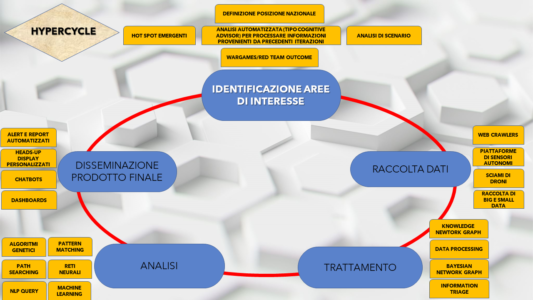
Intelligence Hyper-Loop

Returning to the previous topics, what should the relationship between intelligence and politics be? And between secrecy, political decision-making and the public narrative through which those decisions are presented?

The relationship in my view has to be one that respects the integrity of professional intelligence assessment on the one hand and the right of democratically elected politicians to have the final say on how it is used on the other. There must be a felt duty on the part of political leaders to have regard to professional advice be it from economists, medical experts, meteorologists, diplomats, military chiefs – or intelligence officers. The obligation is the same, to pay due regard, to question and seek further information or research – but not to demand a professional judgment be altered to fit the views of the politicians. I would add that in a democracy there should be an expectation that if considered professional advice is not being followed politicians will explain their reasoning. Where there is genuine secrecy to be preserved that can be in private to an appropriate Parliamentary Committee.

Countering disinformation is becoming an increasingly important function of the security and intelligence apparatus. Yet the definition of a “threat”, and the political use of the perception of that threat, can too easily be shaped ad usum delphini. What safeguards are needed to prevent the defence of the public sphere from turning into an administration of truth?

The best disinfectant is exposure to sunlight. Where disinformation is spread openly, as it is today by the State broadcasters of Russia over the war in Ukraine, then the counter has to be open debate led by our politicians engaging as many different voices as possible in the public sphere. That is what free speech is about. But where deceptive means are being used covertly to amplify the disinformation, for example through the use of bot farms, or through deep fake videos and forgeries, then it is for the intelligence and security agencies to establish the facts, and make the necessary attributions, and then for politicians in government to decide what actions to authorise to defend our information space. That could include offensive cyber action to disrupt an adversary’s activity, as happened to the attempts by ISIS to spread extreme violent material through the internet.

Many commentators have spoken of a supposed crisis within the Five Eyes alliance as a consequence of the Trump administration. Do you believe such a crisis is possible? And how are the strategic priorities of London and Washington changing?

The 5-eyes grew out of a unique historical circumstance in signals intelligence cooperation. Long experience of working together has brought deep professional respect between staff, and personal and family friendships. It takes a long time to build that level of mutual trustworthiness in intelligence, and now in national security, military, diplomatic and other realms. The extent, depth and sensitivity of that co‑operation spans the gamut of intelligence activities, whether they be operational, analytical and so forth and is the best in the world. If I may quote the former Director of the CIA, the Hon. John Brennan, when he and I gave evidence together to a British Parliamentary Committee earlier this year “We rely on each other; we treat each other like brothers and sisters in what we do and what we share with them, because there is a real alignment of values and principles between our countries as well as between our services.” On the point you raise he went on to say “The political winds in Washington blow all the time. They are blowing rather strongly these days, but a lot of intelligence professionals understand how to avoid getting caught up in those winds.” It is not the first time that there have been political disagreements between 5-eyes governments. I cited to the Parliamentary Committee the breakdown in 1956 in the relationship between US President Eisenhower and UK Prime Minister, Sir Anthony Eden, over the Suez debacle. I was not surprised to learn that, during that major crisis, GCHQ and its US counterpart, the National Security Agency, were working hand in glove studying the Soviet intervention in Hungary, despite the waves lashing the transatlantic surface at that time. I am confident that below the surface the 5-eyes professionals will continue to get on with what the professionals should do. And we should recognise that at the same time, each member of the 5-eyes will be deepening their intelligence and cyber relationships with other partners in their mutual security interest.

You have studied the relationship between intelligence and political decision-making for decades. In the emerging multipolar system, intelligence services appear increasingly to perform diplomatic, preventive and even narrative functions. Are we entering an Era in which intelligence shapes foreign policy as much as, or even more than, traditional diplomacy? Does this represent the triumph of a “national security” logic over the traditional logic of foreign policy?

Intelligence should inform not direct the making of foreign policy. Inevitably, secret intelligence becomes a very important input to foreign policy in dealing with closed societies with governments that are covertly pursuing illegitimate aims, as Iran has done with its nuclear enrichment programmes and its support for Hezbollah and the Houthis. Senior intelligence officers will have relationships with counterparts in many parts of the world and sometimes those can develop into unpublicised backchannels to put out feelers over beneficial changes in foreign policies that would be harder to do using conventional diplomatic means under the glare of media scrutiny. But that is nothing new. Recall the backchannel with KGB Washington station chief Aleksandr Feklisov that helped to defuse the Cuban Missile Crisis.

You have consistently stressed the importance of distinguishing what we know from what we merely believe we know. Looking at the international system today, what is the major risk that Western political elites are either overlooking or interpreting through the wrong conceptual framework? And what strategic consequences could follow from that misreading?

It is hard to shake off the habit of seeing the world through the lens of peace and war, where we think of war is the exceptional state of affairs and peacetime as the norm. But in area after area of the globe we have perpetual wars that we usually describe as conflicts but which with modern weaponry have all the deadly intensity of war.  Some involve State upon State conflict (such as Russia/Ukraine); some involve proxy groups (such as Iran’s use of Hezbollah).  The security of the defensive Alliance, NATO, rests on the Treaty principle of Article 5 – an attack on one is an attack on all. NATO strategy is to deter any armed attack on its territory, and we should congratulate our predecessors for having succeeded in deterring conflict during the Cold War. But that very success risks masking the continuing conflict between Russia and the NATO nations being played out below the Article 5 threshold. We have to recognise that Russian agencies are today conducting ‘active measures’ including sabotage against us. We need to recognise the reality of this ‘grey zone’ warfare being waged against the European members of NATO.

A new season of Slow Horses has recently been released. What do you make of the series and of Mick Herron’s novels?

 I love the TV series of Slow Horses with Gary Oldman’s acting; having Mick Jagger sing the title song was a masterstroke. But I sense that, as some of the TV reviewers have pointed out, by the fifth TV series it gets harder to sustain the startling originality that was such a feature of the early series. All secret intelligence agencies have to deal with staff who make serious blunders or develop personal issues around alcohol, drugs or gambling but are bound to fear the consequences of dismissed staff making waves in the media. The genius of Mick Herron is in the concept of Slough House to provide a form of purgatory for such cases keeping alive the slender hope that they may yet cleanse their souls and in the words of Mick Jagger ‘dance with the big boys again’.

 More broadly, among the writers who have shaped the popular imagination of espionage, which author do you most admire, and who, in your view, has understood the intelligence world most accurately?

I have favourites in each of the literary traditions of spy novels: the adventure stories (‘a licence to thrill’ from Buchan to Fleming); the literary novel of character and conscience (from Conrad to Le Carre); the political thriller (such as Eric Ambler does brilliantly); the suspense and mystery novel creating a parallel universe of secret institutions (such as Mick Herron does with the Park and Slough House). The best of them blend aspects of each tradition. We should of course not look for realism in the genre (there is no 00 licence to kill in the British Secret Service). This is fiction we are talking about where the author makes stuff up to entertain. But some former insiders such as Somerset Maugham and John Buchan (from World War I experience), and Graham Greene (from his World War II service in MI6) bring a depth to their readers’ understanding of what spying involves.

And are you tempted to enter the ranks of spy novelists?

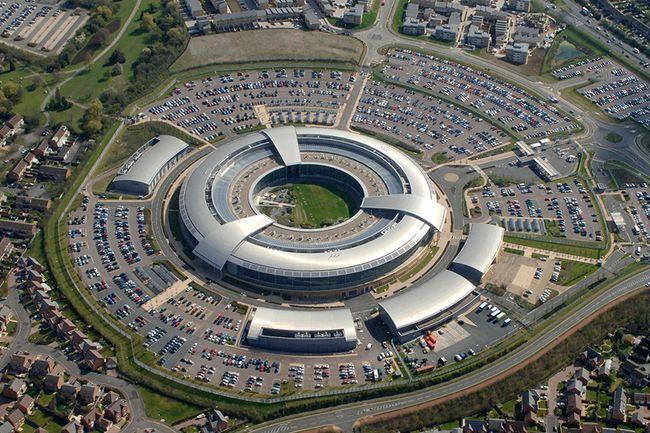
Not just tempted, I have succumbed! I have now written a trilogy of espionage novels, the first of which QUANTUM ENIGMA will be published by DK Canelo next year. It is set in the very near future, when today’s cutting-edge artificial intelligence has been rolled out across national infrastructure, worldwide. When the US National Security Agency (NSA) believes a mole is leaking the Pentagon’s secrets to the Chinese, I have them reaching out to GCHQ for assistance developing and finalising a unique agentic AI model that will help identify and reverse the mole’s activities before the Chinese government can exploit the information they’ve received. But developing this new model carries risks for the GCHQ staff and their families: my characters agonise over whether the potential cost to them and their families is one that can ethically be paid. Plus, there are no guarantees that their frontier work will be able to identify the mole, meaning US national security is being gambled on what US football players call a ‘Hail Mary’ effort. My story flits between the corridors of power where I used to work in Whitehall and the ‘doughnut’ shaped headquarters of GCHQ in Cheltenham, a project that I started when I was Director there in the 1990s.

GCHQ

Share on

Sir David Omand: Nelle menti delle spie

   |   By  |  0 Comments

25 Ottobre 2026

Il Grande Gioco dello spionaggio non si combatte più soltanto nelle ambasciate, nei salotti diplomatici o nell’ombra delle capitali imperiali.

Francesco Subiaco ha intervistato Sir David Omand 

Il Grande Gioco dello spionaggio non si combatte più soltanto nelle ambasciate, nei salotti diplomatici o nell’ombra delle capitali imperiali. Oggi si svolge attraverso algoritmi, satelliti, guerre ibride e frontiere invisibili del cyberspazio. E tuttavia, sotto la metamorfosi tecnologica dello spionaggio, sopravvive l’antico enigma del potere: come discernere le intenzioni dell’avversario senza diventare prigionieri delle proprie illusioni. Nei romanzi di John le Carré, la verità si presenta quasi sempre in incognito, nascosta fra mezze confessioni, silenzi calcolati e fedeltà negoziabili. Per una spia, il pericolo maggiore non consiste soltanto nel credere alle menzogne del nemico, ma nel finire per credere alle proprie.

Da Kipling a Graham Greene, la letteratura ha rappresentato lo spionaggio come un teatro di identità incerte e compromessi morali. La realtà è meno romantica: rapporti incompleti, indizi ambigui e decisioni prese al buio.

Sir David Omand conosce questo mondo dall’interno. Già Direttore del Government Communications Headquarters – GCHQ, l’Agenzia britannica per l’intelligence, la sicurezza e la difesa informatica; nonché Coordinator of Intelligence and Security, la massima carica di coordinamento in materia di sicurezza nazionale e intelligence del Regno Unito, guidata dal National Security Adviser (NSA), supportato dai Cabinet Office’s National Security Secretariat (NSS) e dal Joint Intelligence Organisation (JIO).  Sir Omand appartiene a quella rara schiera di uomini che hanno assistito alla storia da dietro le quinte, là dove le decisioni governative si intrecciano con informazioni destinate a rimanere segrete per decenni. La sua esperienza abbraccia la fine della Guerra Fredda, l’11 settembre e il ritorno della rivalità tra grandi potenze.
Sir David Omand

Il Professor Omand ha onorato l’Istituto Italiano di Studi Strategici “Niccolò Machiavelli” offrendo il suo contributo intellettuale e il suo sostegno in qualità di Membro dell’International Advisory Council, sin dalla costituzione del nostro think tank, nel 2010. Il suo prestigioso curriculum e la sua eccezionale determinazione nel difendere i valori democratici nel corso della sua straordinaria carriera hanno arricchito in modo unico l’etica, la cultura strategica e gli ideali della nostra organizzazione.

Nei suoi libri, da How Spies Think a How to Survive a Crisis, l’intelligence diventa una disciplina dell’incertezza: distinguere il vero dal plausibile, il segnale dal rumore, le intenzioni dalle apparenze. Non basta raccogliere segreti: bisogna interpretarli senza cedere alle spiegazioni più rassicuranti. Il migliore analista d’intelligence sa diffidare delle conclusioni che coincidono troppo perfettamente con i desideri di chi governa.

Lei è stato Direttore del GCHQ e Coordinatore per la sicurezza e l’intelligence del governo del Regno Unito. Che cosa le hanno insegnato queste esperienze sul mondo dell’intelligence? E, per riprendere il titolo di uno dei suoi best seller, come pensano davvero le spie?

Ho dato al mio libro “How Spies Think” il sottotitolo «Dieci lezioni di intelligence» perché volevo condividere almeno una parte di ciò che avevo imparato, non soltanto dall’interno del mondo dell’intelligence segreta, ma anche dal contatto ravvicinato con quel mondo come responsabile politico e destinatario delle valutazioni d’intelligence. La prima lezione è che la nostra conoscenza del mondo è sempre frammentaria e incompleta, e talvolta sbagliata. Vale sia per l’enorme quantità di informazioni provenienti da fonti aperte oggi disponibili, sia per il ben più ristretto insieme di informazioni ottenute da fonti profondamente segrete. Queste cautele hanno importanti implicazioni politiche. Non si può contare sul fatto di disporre sempre di un quadro attendibile della situazione, quale idealmente si vorrebbe avere prima di prendere decisioni importanti. Non bisogna dunque fondare la politica di sicurezza sul presupposto che l’intelligence segreta fornirà sempre un preavviso sufficiente per intervenire e neutralizzare una minaccia.

Banner MI5 MI6 and GCHQ

In che modo dovrebbero essere raccolte, valutate e presentate le informazioni di intelligence al decisore politico per evitare che possa essere indotto in errore o ingannato da attori avversari?

Nel libro riassumo il metodo nell’acronimo SEES: Situational awareness (consapevolezza situazionale), Explanation (spiegazione), Estimation (valutazione previsionale) e Strategic notice (preavviso strategico). Sono i tipi di informazione più utili al decisore politico o al comandante delle operazioni. Il primo, la consapevolezza della situazione, risponde alle domande: che cosa sta accadendo: cosa, dove e quando? Occorre verificare attentamente l’attendibilità delle fonti e guardarsi dagli inganni deliberati negli indizi e nei segnali raccolti. È cruciale spiegare perché riteniamo di trovarci davanti a una determinata situazione. Ed è difficile, soprattutto quando cerchiamo di attribuire la responsabilità di azioni che l’avversario vuole tenere nascoste e delle quali nega la paternità. È un problema fondamentale oggi, tanto per i sabotaggi russi nella zona grigia e le altre operazioni clandestine, quanto per gli attacchi informatici criminali. Spiegazioni diverse degli avvenimenti conducono verosimilmente a stime diverse sulla loro evoluzione e a modelli differenti delle possibili reazioni dell’avversario alle nostre iniziative. Infine, ritengo importante che i decisori ricevano quanto prima quello che chiamo «preavviso strategico» sugli sviluppi e sulle minacce emergenti di lungo periodo, non appena si delinei una tendenza o si prevedano progressi tecnologici capaci di generare minacce future. Trattandosi generalmente di sviluppi di lungo periodo, questo preavviso deriva più probabilmente dallo studio accurato delle fonti aperte che da una particolare forma d’intelligence segreta.

Mi colpisce l’importanza che attribuisce alla componente esplicativa del ciclo dell’intelligence. Ci può citare qualche esempio, un case study?

Avrei dovuto aggiungere che, nella maggior parte dei casi, la spiegazione dovrebbe emergere da una valutazione di tutte le fonti e di tutte le informazioni disponibili,  compresi la storia dei gruppi e delle nazioni eventualmente coinvolti, anziché dall’analisi di un’unica fonte. Un esempio britannico può essere utile. Nel 2018 il Joint

Intelligence Committee (JIC) di Londra concluse che l’impiego a Salisbury dell’agente nervino proibito Novichok, nell’attacco all’ex ufficiale dell’intelligence russa Sergej Skripal e a sua figlia, fu una operazione clandestina di assassinio condotta da agenti dell’intelligence militare russa. L’attacco provocò la morte di una cittadina britannica. L’attribuzione seguì un’attenta valutazione del JIC basata su tutte le fonti, che finì per escludere ogni spiegazione alternativa, comprese numerose ipotesi stravaganti diffuse dalle autorità russe per intorbidire le acque. Sulla base di quella attribuzione, la prima ministra espulse 23 diplomatici russi; seguirono espulsioni di massa in altri 20 Paesi che avevano accolto le conclusioni britanniche. Le conseguenze di una spiegazione possono dunque essere notevoli. E naturalmente lo sarebbero anche quelle di una spiegazione errata. Si pensi, per esempio, a quando interpretammo gli ostacoli posti da Saddam Hussein agli ispettori internazionali delle armi di distruzione di massa come un’ulteriore prova del tentativo di nascondere attività proibite in quel campo.

Nel suo libro “How Spies Think” insiste a lungo sul fatto che il problema centrale dell’intelligence non è semplicemente raccogliere informazioni, ma interpretarle.
Book Cover How Spies Think

Direi che l’interpretazione è fondamentale per dare senso a tutte le nostre interazioni con il mondo. Dopotutto non disponiamo, almeno per ora, di poteri telepatici. Possiamo conoscere il mondo soltanto attraverso informazioni che il cervello elabora dopo averle ricevute mediante uno o più sensi. E numerosi esperimenti psicologici rigorosi condotti nell’ultimo secolo dimostrano che talvolta i sensi possono ingannarci. Nelle note illusioni ottiche, i dati di cui disponiamo, ossia le configurazioni della luce riflessa dalla pagina, vengono interpretati dal cervello come la rappresentazione di qualcosa che in realtà non sono. I dati, in quel caso la frequenza e l’intensità delle onde luminose riflesse dall’immagine, sono quelli che sono; ma la loro interpretazione cerebrale è ambigua. Ricorro all’analogia fra avvocati dell’accusa e della difesa che cercano di convincere una giuria delle rispettive ricostruzioni alternative delle prove forensi in un processo penale. Per esempio, un giovane compare in tribunale accusato di avere lanciato una molotov durante una manifestazione, perché le sue impronte digitali sono state trovate sui frammenti della bottiglia. Nessuno contesta che le impronte siano sue. Ma la difesa sostiene che la bottiglia si trovava nel contenitore per il riciclaggio fuori casa sua e che la folla l’abbia raccolta passando. La lezione è che l’analista deve formulare spiegazioni alternative e sottoporle a un esame accurato. Di norma è preferibile proporre la spiegazione che si ritiene meno incompatibile con le prove disponibili, ricordando che, cercando abbastanza, si può sempre trovare qualche «prova» apparentemente favorevole persino alle idee più assurde. Bisogna anche cercare dati che smentiscano l’ipotesi. Ma la spiegazione preferita conserva sempre il carattere di un’ipotesi provvisoria: dobbiamo essere pronti a rivedere il nostro ragionamento quando sopraggiungano nuove informazioni.


Tornando alla sua definizione dell’intelligence come «incompleta, frammentaria e talvolta sbagliata», se non possiamo sempre farvi affidamento, quale valore le attribuisce?

Si può sostenere che gli straordinari progressi evolutivi dell’intelligenza umana siano avvenuti perché essa offriva un valore eccezionale negli ambienti mutevoli in cui gli esseri umani dovevano sopravvivere. L’intelligenza deve aver migliorato la qualità delle decisioni dei nostri antenati su dove trovare cibo e acqua, come sfuggire ai numerosi predatori e affrontare le minacce e i pericoli incontrati. Oggi sintetizzo tutto ciò dicendo che lo scopo dell’intelligence rimane aiutarci a prendere decisioni più fondate, riducendo la nostra ignoranza di ciò che abbiamo di fronte. Anche se talvolta ci tradisce, nel tempo procura comunque un vantaggio complessivo. Immaginiamo un gestore di fondi nel distretto finanziario: in una singola giornata può effettuare cattive operazioni, ma, se è bravo, nel lungo periodo genera rendimenti alfa. L’intelligence, impiegata con criterio e sistematicità, ha un valore per la sopravvivenza. Il compito dell’intelligence segreta, naturalmente, è procurarci tale vantaggio rispetto alle informazioni che i nostri avversari, coloro che intendono danneggiarci, non vogliono assolutamente farci ottenere e per impedirci di acquisire le quali possono ricorrere a mezzi estremamente violenti.

Quanto considera significativa la tentazione degli analisti di piegare le conclusioni alle aspettative dei decisori politici?

È un pericolo sempre presente quando i governi non rispettano il diritto dei professionisti, siano essi militari, medici, ingegneri o analisti d’intelligence, a formulare autonomamente i propri giudizi specialistici e a presentarli senza timore. Naturalmente i governi non sono tenuti, in ultima istanza, a seguire il parere degli esperti, ma dovrebbero riconoscere l’obbligo di prenderlo attentamente in considerazione ed essere pronti a spiegare perché decidono di discostarsene. È quanto ci aspetteremmo nelle democrazie, non nelle autocrazie. Sembra che questo sia stato un problema reale nelle valutazioni presentate al presidente Putin prima dell’attacco all’Ucraina. È difficile immaginare che FSB e SVR non comprendessero che il popolo ucraino avrebbe resistito all’aggressione russa e che il presidente Zelensky non sarebbe fuggito da Kiev, abdicando alle prime avvisaglie dell’attacco russo alla capitale e lasciando così la strada libera a un leader imposto da Mosca.
President Trump and DNI Tulsi Gabbard

Esistono dunque pericoli quando i governi pretendono fedeltà politica dai vertici dell’intelligence, come sembra richiedere il Presidente Trump?

Il presidente degli Stati Uniti ha l’autorità legale di nominare gli alti funzionari dell’amministrazione, secondo le consuete regole di conferma del Senato, e ciò comprende le agenzie d’intelligence. Ma è stato assai insolito che il presidente Trump destituisse dirigenti di altissimo livello dell’intelligence, della sicurezza e delle forze armate semplicemente perché erano stati nominati dall’amministrazione precedente. È quanto è accaduto l’anno scorso al direttore della NSA, che era anche comandante del Cyber Command, e al vicedirettore della NSA. Ciò ha comportato una grave perdita di competenze sia per la cooperazione SIGINT dei Five Eyes sia per la stessa sicurezza americana, in un momento di pericoli crescenti, non ultimi gli attacchi informatici cinesi.

È un rischio che ha messo in evidenza nelle sue dieci lezioni d’intelligence?

Sì. Se si vede che i leader nazionali denigrano i pareri professionali ricevuti e oppongono ai fatti le proprie ferme convinzioni sulle possibili minacce, ciò inevitabilmente rischia di incoraggiare valutazioni distorte. E il rischio cresce se gli ufficiali d’intelligence cominciano a pensare che il loro stesso sostentamento dipenda dal compiacere i superiori, facendosi eco delle loro opinioni. Ma è importante riconoscere che il rischio di distorsione nelle valutazioni d’intelligence non deriva soltanto dagli analisti che consapevolmente si adeguano alle aspettative dei decisori politici: un fenomeno storicamente raro.

A quali altre fonti di bias (distorsione, inclinazione, errore sistematico di valutazione che altera la percezione della realtà) si riferisce?

L’ultima «lezione d’intelligence» del mio libro è che sono soprattutto i nostri demoni interiori a rischiare di trarci in inganno. I pregiudizi inconsci di cui tutti soffriamo, e intendo proprio tutti. Il bias di conferma, quando privilegiamo e ricordiamo facilmente le informazioni che sostengono le nostre convinzioni, ignorando o scartando quelle che le contraddicono. Il bias di ancoraggio, quando attribuiamo un peso eccessivo alla prima informazione ricevuta. La perseverazione, quando restiamo attaccati alla linea di ragionamento iniziale anche davanti a prove contrarie. E molti altri ancora. Poiché sono distorsioni inconsce, abbiamo bisogno che altri ci segnalino quando ne siamo vittime. Per questo definisco l’analisi d’intelligence uno sport di squadra.

Queste distorsioni sembrano aver avuto un ruolo nella decisione americana di rovesciare Saddam Hussein in Iraq. Dopo gli errori nella valutazione delle informazioni sulle armi di distruzione di massa irachene (WMD), quanto ne soffre ancora l’Occidente?

Dalle inchieste indipendenti britanniche sugli errori nelle valutazioni delle armi di distruzione di massa in Iraq sono state tratte lezioni importanti, poi messe in pratica. Quelle inchieste ebbero pieno accesso a tutti i documenti d’intelligence e politici e raccolsero ampie testimonianze dalle persone coinvolte, me compreso. Una conseguenza fu la decisione di professionalizzare il mestiere della valutazione d’intelligence, trasformandolo in una specializzazione governativa, al pari di economisti e statistici; intensificare la formazione in un College of Analysis diretto dal Cabinet Office britannico; favorire la mobilità degli analisti per consentire loro di conoscere i diversi ambiti della comunità d’intelligence; e accrescere il prestigio degli analisti al suo interno. Sono alcuni dei cambiamenti introdotti. Ma gli eventi iracheni del 2002-2003 proiettano ancora una lunga ombra. Nel 2022 le intelligence americana e britannica valutarono correttamente l’intenzione di Putin di ricorrere alla forza militare per rovesciare il governo ucraino e di organizzare un’operazione sotto falsa bandiera per procurarsi un pretesto immediato. Noi Lanciammo l’allarme. Eppure i leader di alcuni dei nostri maggiori partner contestarono quella valutazione. Gli alleati europei non riuscivano a credere che Putin aveva mentito (deception), dopo aver assicurato di recente ai loro capi di governo di non avere alcuna intenzione del genere.

Quando ravvisa il pericolo più evidente che l’intelligence venga interpretata retrospettivamente per convalidare una linea politica già stabilita?

Un segnale d’allarme è la tracotanza dei leader riguardo alla propria abilità nell’arte di governare. Questo dogmatismo contribuisce spesso a sottovalutare rischi gravi, sotto l’influsso inconscio della convinzione radicata che le proprie politiche escludano semplicemente la possibilità di un disastro. Ne deriva una pianificazione fondata sul presupposto che gli esiti negativi non si verificheranno perché la politica adottata ne elimina il rischio. Diffidate sempre di chi vi rassicura dicendo: «Non può accadere, perché abbiamo politiche che impediscono che accada». Oppure, quando ricordate precedenti storici in cui le cose sono andate male, di chi replica: «Questa volta è diverso». Gli eventi improbabili talvolta accadono.

HaMossad leModi’in uleTafkidim Meyuchadim MOSSAD

Un esempio tragico è stato il fallimento dell’intelligence israeliana davanti al brutale attacco di Hamas del 7 ottobre 2023. Prima dell’attacco, secondo i media israeliani, l’intelligence militare aveva osservato combattenti di Hamas addestrarsi e compiere ricognizioni, e Israele sembra avesse persino ottenuto un piano d’attacco di Hamas. Ma i ministri insistevano che Hamas non aveva né la capacità né

Shabàk – Shin Bet

l’intenzione di sferrare un grande attacco. Di conseguenza non fu diramato alcun allarme sulla probabilità dell’attacco, né venne predisposto un piano operativo d’emergenza delle forze armate israeliane, lasciando trascorrere molto tempo prima dell’arrivo di una risposta militare efficace. Dietro quel giudizio errato si cela probabilmente un fatale fallimento politico del governo israeliano nel riconoscere e pianificare i grandi rischi insiti nella propria strategia politica.


Lei ha scritto che comprendere la Russia del Presidente Putin richiede uno sforzo analitico paragonabile a quello un tempo dedicato all’Unione Sovietica.  Continuiamo a proiettare sulla Russia uno schema ideologico che non le corrisponde?

Potremmo cominciare chiedendoci come la Russia, al pari dell’Unione Sovietica quando esisteva, concepisca la ragion d’essere fondamentale dei propri Servizi d’intelligence. Le Agenzie di intelligence occidentali considerano come compito principale quello di fornire informazioni per soddisfare le esigenze dei propri decisori, nella difesa, negli affari esteri, nella sicurezza interna e così via. Per sette anni ho fatto parte del Joint Intelligence Committee britannico, che ogni settimana presenta ai massimi esponenti del governo valutazioni strategiche sugli sviluppi di maggiore interesse. I capi dell’intelligence partecipano al National Security Council (Consiglio di Sicurezza Nazionale) quando i ministri discutono le implicazioni di quelle valutazioni. Le agenzie russe, invece, come prima di loro quelle sovietiche, considerano la propria missione una forma segreta di lotta politica condotta per conto dello Stato. Il loro compito consiste nell’adottare «misure attive» per influenzare gli avversari e indebolirne le posizioni politiche, economiche, scientifiche, tecnologiche e militari. Regno Unito, Germania, Polonia e altri alleati sono considerati avversari, soprattutto per il nostro sostegno all’indipendenza dell’Ucraina quale nazione sovrana. Oggi le «misure attive» russe comprendono sovversione, disinformazione, incendi dolosi e sabotaggi, destinati a danneggiare e ostacolare il nostro sostegno all’Ucraina, restando appena al di sotto della soglia di guerra aperta prevista dall’articolo 5 della NATO.

È questo che si intende quando persone come lei definiscono «cekisti» i dirigenti russi?

Sì. Faccio risalire questa fede nelle «misure attive» agli anni successivi alla Rivoluzione d’ottobre del 1917. Lenin utilizzò la famigerata polizia segreta Čeka come proprio «scudo e spada». Il suo compito consisteva assai meno nel raccogliere informazioni che nell’individuare i nemici e adottare misure, per quanto spietate, per distruggerli. È possibile risalire dagli attuali servizi segreti russi e dalla loro cultura violenta ai predecessori del KGB e, prima ancora, al MVD, al KI e al MGB, all’NKGB del tempo di guerra e al famigerato NKVD dell’anteguerra; e ancora prima all’OGPU e alla GPU, nati dalla Čeka originaria dopo il suo scioglimento nel 1922. Ogni generazione ha trasmesso alla successiva la propria visione violenta. Putin ha fatto erigere presso la nuova sede dell’SVR una statua al fondatore della Čeka, Feliks Dzeržinskij, detto «Feliks di ferro», dopo che la statua originaria davanti al quartier generale del KGB era stata abbattuta dai manifestanti alla fine della Guerra fredda. Ecco perché le agenzie russe conservano tuttora un orientamento e una formazione cekisti e sono oggi impegnate a destabilizzare Paesi come Regno Unito, Germania e Polonia, che sostengono l’indipendenza ucraina contro l’aggressione russa.
Russia Foreign Intelligence Service – SVR – unveiling ceremony Statue of Feliks Dzeržinskij

Ritiene che le “active measures” russe stiano ottenendo qualche successo?

Non proprio. Finora i sabotaggi e gli attacchi informatici, benché singolarmente pericolosi, sono stati sporadici e di effetti limitati. E sul piano politico non fanno che rafforzare la determinazione dell’opinione pubblica a non lasciarsi intimidire dalla Russia. Detto questo, da Mosca giungono minacce di intensificare le attività ostili nella «zona grigia» se continueremo a fornire armi all’Ucraina e a mantenere le sanzioni contro la Russia. Il pericolo maggiore è che Mosca, sentendosi incoraggiata, tenti attacchi più devastanti sul territorio britannico o di altri Paesi NATO, oppure colpisca interessi occidentali fondamentali, per esempio interferendo con i cavi sottomarini. Il Cremlino rischierebbe così un pericoloso errore di calcolo autorizzando gravi aggressioni russe contro territori della NATO, nel Regno Unito, in Germania, in Polonia o presso altri alleati. Errori del genere potrebbero provocare ingenti danni alle infrastrutture e perfino perdite umane su vasta scala. La NATO dovrebbe reagire per legittima difesa, nonostante il rischio di entrare in una spirale di escalation dagli sviluppi difficilmente prevedibili. Occorre far comprendere al Cremlino che la strada intrapresa comporta rischi enormi.

La sua lettura della situazione geopolitica e strategica indica che per comprendere la Russia di oggi, dovremmo dedicare alla Russia del Presidente Putin uno sforzo analitico paragonabile a quello riservato all’Unione Sovietica. I governi occidentali continuano a non comprendere le vere intenzioni della Russia di Putin?

L’Unione Sovietica era animata da un’ideologia ostile, che prevedeva la preparazione a uno scontro finale fra comunismo e capitalismo, ritenuto inevitabile dai dirigenti del Cremlino quasi come un atto di fede. A ciò si accompagnava la dedizione alla diffusione del comunismo internazionale. Insieme alle sue dimensioni e alle forze del Patto di Varsavia, tutto questo faceva dell’Unione Sovietica un formidabile avversario militare. La Russia odierna non si trova in una posizione paragonabile, nonostante il desiderio di Putin di ricostituire il Patto di Varsavia e il vasto arsenale nucleare russo. Ma, come l’Unione Sovietica, è governata da un’élite chiusa. Putin è un autocrate convinto di avere un destino storico da compiere in nome della propria visione della Russia. Lo circonda una ristretta cerchia di siloviki, perlopiù sodali legati al presidente e restii a fornire consigli obiettivi. Durante la Guerra fredda l’Occidente era assorbito dalla Kremlinologia: analisti specializzati studiavano, per esempio, chi mancasse dal gruppo dirigente sulla tribuna del mausoleo di Lenin durante la parata militare del Primo maggio o a chi fosse stato assegnato, quell’anno, un posto leggermente più lontano dai vertici del Partito. Oggi serve una competenza analoga per spiegare come vengano prese le decisioni al Cremlino e quali siano le voci più influenti fra coloro che hanno accesso al presidente. E serve competenza per comprendere le ragioni delle decisioni del presidente russo che alla maggior parte degli occidentali non specialisti appaiono irrazionali. Nel quadro di riferimento occidentale è difficile capire scelte che ci sembrano aliene, come intensificare la guerra in Ucraina nonostante le perdite russe quotidiane stimate fra 1.500 e 2.000 soldati e le conseguenze delle pesanti sanzioni internazionali sulla vita quotidiana della popolazione russa. Per elaborare risposte all’aggressione russa è importante riuscire a vedere l’Occidente e la stessa Russia attraverso gli occhi di Putin. (È illuminante studiare la ricostruzione storica pubblicata dallo stesso Putin per giustificare la convinzione che l’Ucraina non abbia diritto di esistere come Stato separato dalla madre Russia, e rendersi conto di quanto una visione della storia profondamente parziale e distorta condizioni la concezione del mondo del leader russo). Cominciare a capire il suo punto di vista non significa, naturalmente, condividere le sue conclusioni o giustificarne l’illegalità. Ma comprendere da dove muovano le sue convinzioni è essenziale per spiegare la sua ostilità, prossima alla paranoia, verso la NATO, che egli ritiene sia già in guerra contro la Russia.

Presidente Putin – Festa della Vittoria 2026

Come sono cambiati il ruolo e la vita quotidiana degli agenti d’intelligence dalla fine della Guerra fredda a oggi, in un mondo segnato dalla presenza pervasiva dei social media e dell’intelligenza artificiale?

È una domanda che mi pongono spesso gli studenti dei corsi magistrali del King’s College, soprattutto quelli che pensano di entrare nel mondo dei Servizi segreti. Li invito a immaginare la Comunità d’Intelligence tirata in direzioni differenti da tre forze, fra le quali deve trovare un punto di equilibrio. Le si pensi come ai lati di un triangolo rovesciato. Il primo insieme di forze deriva dai mutamenti nella percezione delle minacce e dunque nelle richieste rivolte alle Agenzie d’intelligence. Gli attentati di Al Qaeda a New York e Washington dell’11 settembre e l’elevato rischio di ulteriori attacchi ebbero un impatto fondamentale sulle Comunità d’Intelligence occidentali. L’attenzione dovette spostarsi sull’antiterrorismo, con tutte le conseguenze per il lavoro degli agenti in patria e all’estero nell’individuazione e nell’investigazione di gruppi e cellule terroristiche. Ne derivarono legami più stretti fra agenzie di intelligence umana e tecnica, una collaborazione più profonda con la polizia e nuove istituzioni, come il Joint Terrorism Analysis Centre di Londra e gli organismi equivalenti nei Paesi alleati e partner. Più radicalmente, il lavoro di molti agenti, tradizionalmente descritto dal classico ciclo dell’intelligence, cominciò ad assomigliare maggiormente a quello di un investigatore alle prese con un grave reato, con interazioni dinamiche quotidiane, talvolta orarie, fra chi raccoglie direttamente le informazioni e chi ne orienta il lavoro, utilizzando quei frammenti informativi per sviluppare l’indagine. Al posto delle esigenze fisse dell’intelligence della Guerra fredda servivano informazioni su individui d’interesse: nomi e pseudonimi, contatti, ubicazione, spostamenti, finanziamenti e, naturalmente, intenzioni.

L’esperienza acquisita dimostra che soddisfare le esigenze di intelligence relative ai singoli terroristi richiede approcci diversi rispetto a quelli utilizzati per gli obiettivi tradizionali della Guerra Fredda, come ad esempio l’acquisizione della gittata e della sezione efficace radar di un nuovo velivolo sovietico.

È proprio questo il punto. Ma naturalmente non dobbiamo dimenticare che le esigenze informative più tradizionali esistono tuttora, aggiungendosi alle nuove richieste urgenti appena menzionate. E vengo così al secondo insieme di forze, lungo il secondo lato del triangolo, che hanno trasformato radicalmente il mondo dell’intelligence segreta: le tecnologie digitali avanzate impiegate per soddisfare le nuove esigenze. Le tecnologie digitali e le loro applicazioni alle comunicazioni globali, ai dispositivi mobili e a Internet hanno modificato profondamente l’offerta potenziale di informazioni. E questa offerta ha interagito dinamicamente con la domanda d’intelligence di cui abbiamo appena parlato. Talvolta nuove esigenze dettate dalle minacce stimolavano investimenti in nuovi strumenti digitali di raccolta; altre volte accadeva il contrario: i progressi tecnologici nati da applicazioni commerciali suggerivano come impiegarli nel mondo dell’intelligence segreta. Si può considerare una coincidenza di portata mondiale che, proprio mentre l’attenzione si spostava sugli individui intenzionati a nuocerci, comparissero innovazioni digitali quali le reti a commutazione di pacchetto, i dispositivi mobili personali e naturalmente Internet e i social media. Sono queste enormi masse di dati che gli agenti devono scandagliare per individuare i propri obiettivi e scoprirne il quotidiano train de vie. L’impiego dell’analisi dei metadati delle comunicazioni, per esempio, tanto internazionali quanto interne, ha aiutato gli agenti a ricostruire reti terroristiche, sventare numerosi complotti gravi e consegnare terroristi alla giustizia. Ma proprio la capacità delle fonti digitali di rivelare informazioni personali, così preziosa per le autorità nella prevenzione del terrorismo e della criminalità grave, ha inevitabilmente suscitato preoccupazioni pubbliche sull’ampiezza delle reti digitali gettate dalle agenzie e su quale autorità debba autorizzare le indagini più invasive. Il terzo lato del mio triangolo rappresenta le pressioni esercitate sulla comunità d’intelligence dai vincoli giuridici ed etici imposti dalla società.

Ritengo che si riferisca alle nazioni democratiche, non alle autocrazie, dove simili preoccupazioni sono inevitabilmente subordinate alle esigenze dei leader di controllare il dissenso interno e garantire la sicurezza esterna.

Esattamente. Gli agenti d’intelligence occidentali devono accettare di operare in un ambiente sottoposto a controllo e scrutinio democratici. I loro avversari no. Ma il consenso pubblico, ottenuto attraverso leggi approvate democraticamente, offre vantaggi di lungo periodo, per esempio nella qualità delle persone che si possono reclutare. Il Regno Unito è un caso interessante. Dopo un intenso dibattito nel Parlamento britannico, nel 2016 fu approvata una nuova legge per disciplinare i poteri investigativi delle agenzie e della polizia. In sostanza, parlamentari di tutti i partiti si convinsero che, per proteggere la popolazione, le autorità d’intelligence e sicurezza dovessero disporre di potenti strumenti digitali, accettando però in cambio un regime molto più rigoroso di disciplina giuridica e di supervisione parlamentare e giudiziaria. Il nuovo regime di sorveglianza può essere descritto con 3R: Rule of law, il principio pubblico dello Stato di diritto, senza poteri segreti; Regulation, la disciplina delle autorizzazioni e dei controlli; Restraint, la moderazione, che impone ai singoli agenti il dovere di poter giustificare l’esercizio dei loro poteri come necessario e proporzionato. I risultati, in termini di complotti scoperti e sventati, sono impressionanti.

Prevede cambiamenti paragonabili a quelli dei decenni successivi all’11 settembre?

Sì. Le nostre comunità d’intelligence hanno dovuto aggiungere alla persistente attenzione per il terrorismo, tanto dell’estrema destra violenta quanto dei jihadisti violenti, il riemergere delle minacce statali, intensificate dall’invasione russa dell’Ucraina e, più recentemente, dagli attacchi americani contro l’Iran. Le minacce non provengono soltanto direttamente dagli apparati statali impegnati in attività ostili nella «zona grigia», ma anche da gruppi criminali che agiscono per loro conto. È quanto accade da anni con le bande russe di hacker, responsabili di ransomware e altri attacchi compiuti prevalentemente per profitto personale, ma talvolta anche in risposta a richieste dello Stato volte a provocare disordini, soprattutto nei Paesi che sostengono l’Ucraina. Inoltre gli attacchi informatici cinesi sono diventati più aggressivi, prendendo di mira, per esempio, gran parte delle telecomunicazioni e di altre infrastrutture critiche statunitensi. Ricorderà gli avvertimenti diffusi l’anno scorso sulle campagne informatiche cinesi note come Salt Typhoon e Volt Typhoon, volte a individuare strumenti di destabilizzazione nell’eventualità di un conflitto fra Stati Uniti e Cina. Nel loro insieme, questi sviluppi costituiscono una sfida formidabile per l’intelligence: comprendere ciò che accade e attribuirne la responsabilità, in aggiunta alle minacce preesistenti del terrorismo e dello spionaggio ostile, che non sono scomparse.

Lei ha descritto il secondo insieme di forze che agiscono sugli agenti d’intelligence come derivante dall’avvento delle tecnologie digitali. Queste hanno superato la necessità delle tradizionali fonti umane?

Sì e no. Da un lato, quella che definisco digitalizzazione ha rivoluzionato il modo di lavorare di tutti gli agenti d’intelligence. Ogni forma d’informazione cui possiamo accedere, attraverso la vista, l’udito, il tatto e perfino l’olfatto e il gusto, può ormai essere rappresentata come una sequenza di numeri. Transazioni finanziarie, sistemi logistici, gestione dei semafori, controllo delle reti elettriche e quasi tutto ciò che consente il normale svolgimento della vita dipendono dalla disponibilità dei dati digitali corretti al momento opportuno. Quando le informazioni sono in forma numerica, abbiamo il vantaggio di poterle facilmente conservare e recuperare, condividere e cifrare in sicurezza. Ma un avversario può corromperle, manipolarle (le falsificazioni digitali sono ormai comuni su Internet) o renderle indisponibili attraverso ransomware e altre intrusioni nei sistemi informativi. Ricordiamo che il malware non rispetta alcuna frontiera nazionale. Le nostre agenzie d’intelligence e sicurezza, insieme ai colleghi della polizia, hanno molto da fare. Aggiungerei che i meccanismi dello spionaggio e del controspionaggio sono ormai digitali. Ma gli agenti umani ben collocati (compresi quelli che hanno accesso ai sistemi digitali dell’avversario), restano inestimabili. E le capacità squisitamente umane necessarie a persuadere un potenziale agente ad aiutarci sono rimaste quelle di sempre. Le agenzie di intelligence umana non sono destinate a scomparire, anche se possono essere cambiate alcune categorie di persone di cui cercano la collaborazione.

L’avvento dell’intelligenza artificiale avanzata modifica radicalmente anche il lavoro delle Agenzie d’intelligence, soprattutto a sostegno delle operazioni militari?
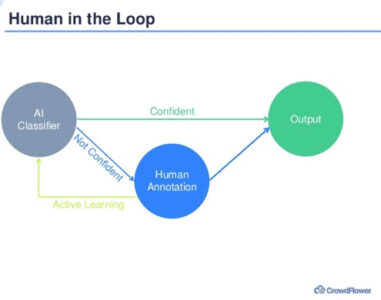
human-in-the-loop

Le capacità della Frontier Artificial Intelligence stanno determinando un cambiamento fondamentale nel modo in cui deve funzionare la supervisione umana dell’intelligence.

Tradizionalmente l’essere umano era “In the Loop”, direttamente coinvolto in ogni decisione, compresa la valutazione dell’attendibilità delle informazioni in ingresso. Nelle situazioni di combattimento in rapida evoluzione, il ruolo sta diventando on the loop: stabilire preventivamente regole e limiti per una rete di sensori elettronici, poi sorvegliare il sistema che agisce autonomamente e intervenire soltanto se cambiano le circostanze o si nota qualcosa che non va. L’essere umano resta responsabile, ma è ormai un supervisore anziché un partecipante diretto.

Non si tratta di un fallimento della politica, ma di un vincolo imposto dall’ambiente operativo. E ciò significa che cambiano anche i nostri obblighi etici. Non basta più chiedersi come mantenere l’essere umano all’interno del ciclo decisionale. Dobbiamo invece chiederci come garantire che il ciclo supervisionato dall’essere umano governi sistemi capaci di valutare la qualità delle informazioni d’intelligence in ingresso e di ragionare moralmente nel modo che desideriamo. E come assicurare che, quando cambiano le circostanze, il sistema sappia reagire adeguatamente?


Tornando alle precedenti tematiche, quale dovrebbe essere il rapporto fra intelligence e politica? E fra segretezza, decisione politica e narrazione pubblica attraverso cui quelle decisioni vengono presentate?

A mio giudizio, il rapporto deve rispettare, da un lato, l’integrità delle valutazioni professionali dell’intelligence e, dall’altro, il diritto dei politici democraticamente eletti di avere l’ultima parola sul loro utilizzo o meno. I leader politici devono sentire il dovere di tenere conto dei consigli professionali, provengano essi da economisti, medici, meteorologi, diplomatici, capi militari o agenti d’intelligence. L’obbligo è lo stesso: considerarli con la dovuta attenzione, porre domande e richiedere ulteriori informazioni o ricerche, senza pretendere però che un giudizio professionale venga modificato per adattarsi alle opinioni dei politici. Aggiungerei che in democrazia ci si dovrebbe aspettare che i politici spieghino le proprie ragioni quando decidono di non seguire un parere professionale ponderato. Quando occorre tutelare un segreto autentico, possono farlo riservatamente davanti a un’apposita commissione parlamentare.

Contrastare la disinformazione sta diventando una funzione sempre più importante dell’apparato di sicurezza e intelligence. Eppure la definizione di «minaccia» e l’uso politico della sua percezione possono troppo facilmente essere modellati ad usum delphini. Quali garanzie occorrono per evitare che la difesa dello spazio pubblico si trasformi in un’amministrazione della verità?

Il miglior disinfettante è la luce del sole. Quando la disinformazione viene diffusa apertamente, come fanno oggi le emittenti statali russe sulla guerra in Ucraina, la risposta deve essere un dibattito pubblico aperto, guidato dai nostri politici e capace di coinvolgere il maggior numero possibile di voci diverse. È questo il significato della libertà di parola. Ma quando vengono impiegati clandestinamente mezzi ingannevoli per amplificare la disinformazione, per esempio reti di bot, video deepfake o falsificazioni, spetta alle agenzie d’intelligence e sicurezza accertare i fatti e attribuirne la responsabilità, e poi ai politici di governo decidere quali azioni autorizzare per difendere il nostro spazio informativo. Fra queste possono figurare operazioni informatiche offensive volte a ostacolare le attività dell’avversario, come avvenne contro i tentativi dell’ISIS di diffondere materiale estremamente violento attraverso Internet.

Molti commentatori hanno parlato di una presunta crisi dell’alleanza Five Eyes in conseguenza dell’amministrazione Trump. Ritiene possibile una simile crisi? E come stanno cambiando le priorità strategiche di Londra e Washington?

I Five Eyes nacquero da una circostanza storica unica nella cooperazione nell’intelligence dei segnali. Una lunga esperienza di lavoro comune ha prodotto profondo rispetto professionale fra il personale e amicizie personali e familiari. Occorre molto tempo per costruire un tale grado di affidabilità reciproca nell’intelligence e oggi anche nella sicurezza nazionale, nell’ambito militare, diplomatico e in altri settori. L’ampiezza, la profondità e la delicatezza di questa cooperazione abbracciano l’intera gamma delle attività d’intelligence, operative, analitiche e così via: è la migliore al mondo. Posso citare l’ex direttore della CIA, l’onorevole John Brennan, con il quale ho testimoniato
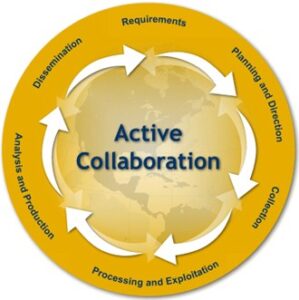
Intelligence Active Collaboration Cycle

davanti a una commissione parlamentare britannica all’inizio di quest’anno: «Dipendiamo gli uni dagli altri; ci trattiamo come fratelli e sorelle in ciò che facciamo e in ciò che condividiamo, perché esiste una reale consonanza di valori e principi fra i nostri Paesi e fra i nostri servizi». Sul punto da lei sollevato, aggiunse: «I venti politici a Washington soffiano continuamente. In questi giorni soffiano piuttosto forte, ma molti professionisti dell’intelligence sanno come evitare di esserne travolti». Non è la prima volta che emergono divergenze politiche fra i governi dei Five Eyes. Ho ricordato alla commissione parlamentare la rottura del 1956 nei rapporti fra il presidente americano Eisenhower e il primo ministro britannico sir Anthony Eden per il disastro di Suez. Non mi ha sorpreso apprendere che, durante quella grave crisi, il GCHQ e il suo omologo americano, la National Security Agency, lavoravano in strettissima collaborazione per studiare l’intervento sovietico in Ungheria, nonostante le onde che allora scuotevano la superficie atlantica. Sono fiducioso che, sotto quella superficie, i professionisti dei Five Eyes continueranno a svolgere il lavoro che compete loro. E dobbiamo riconoscere che, contemporaneamente, ciascun membro dei Five Eyes approfondirà le proprie relazioni d’intelligence e di cooperazione informatica con altri partner, nell’interesse della sicurezza reciproca.


Da decenni lei studia il rapporto fra intelligence e decisione politica. Nel sistema multipolare emergente i servizi sembrano svolgere sempre più spesso funzioni diplomatiche, preventive e persino narrative. Stiamo entrando in un’epoca in cui l’intelligence plasma la politica estera quanto, o persino più, della diplomazia tradizionale? È il trionfo di una logica di «sicurezza nazionale» sulla logica tradizionale della politica estera?

L’intelligence deve informare, non dirigere, l’elaborazione della politica estera. Inevitabilmente, l’intelligence segreta diventa un contributo molto importante alla politica estera quando si ha a che fare con società chiuse e governi che perseguono clandestinamente obiettivi illegittimi, come ha fatto l’Iran con i suoi programmi di arricchimento nucleare e con il sostegno a Hezbollah e agli Houthi. Gli alti funzionari dell’intelligence intrattengono rapporti con omologhi in molte parti del mondo e talvolta tali rapporti possono trasformarsi in canali riservati e non pubblicizzati per sondare possibili cambiamenti vantaggiosi delle politiche estere, che sarebbe più difficile esplorare con i normali strumenti diplomatici sotto il riflettore dei media. Ma non è nulla di nuovo. Ricordiamo il canale riservato con Aleksandr Feklisov, capo della stazione del KGB a Washington, che contribuì a disinnescare la crisi dei missili di Cuba.

Lei ha costantemente sottolineato l’importanza di distinguere ciò che sappiamo da ciò che crediamo soltanto di sapere. Guardando all’attuale sistema internazionale, quale grande rischio le élite politiche occidentali stanno trascurando o interpretando attraverso uno schema concettuale sbagliato? E quali conseguenze strategiche potrebbero derivare da questo errore di lettura?
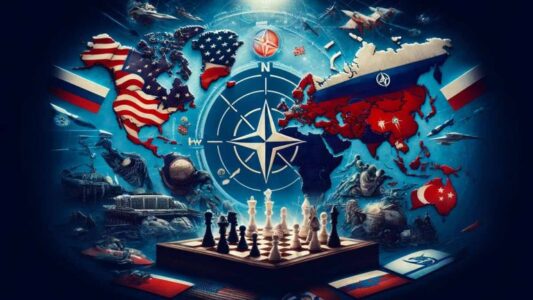
NATOs-Pressure-and-Russias-Response-A-New-Global-Order-Emerges-768×432

È difficile liberarsi dall’abitudine di guardare il mondo attraverso la lente della pace e della guerra, considerando la guerra uno stato eccezionale e la pace la norma. Eppure, in una regione dopo l’altra del pianeta, assistiamo a guerre permanenti che solitamente chiamiamo conflitti, ma che, con gli armamenti moderni, possiedono tutta l’intensità mortale della guerra. Alcune oppongono uno Stato a un altro, come Russia e Ucraina; altre coinvolgono gruppi per procura, come nel caso dell’impiego di Hezbollah da parte dell’Iran. La sicurezza dell’alleanza difensiva NATO si fonda sul principio dell’articolo 5 del Trattato: un attacco contro uno è un attacco contro tutti. La strategia della NATO consiste nel dissuadere qualsiasi attacco armato contro il proprio territorio, e dobbiamo riconoscere ai nostri predecessori il merito di essere riusciti a scoraggiare un conflitto durante la Guerra fredda. Ma proprio quel successo rischia di nascondere il conflitto tuttora in corso fra Russia e nazioni della NATO, combattuto al di sotto della soglia dell’articolo 5. Dobbiamo riconoscere che le agenzie russe stanno oggi conducendo contro di noi «misure attive», compresi sabotaggi. Dobbiamo prendere atto della realtà di questa guerra nella «zona grigia» condotta contro i membri europei della NATO.

È da poco disponibile una nuova stagione di Slow Horses. Che cosa pensa della serie e dei romanzi di Mick Herron?

Adoro la serie televisiva Slow Horses e la recitazione di Gary Oldman; far cantare a Mick Jagger il brano della sigla è stato un colpo da maestro. Ma ho l’impressione che, come hanno osservato alcuni critici televisivi, arrivati alla quinta stagione diventi più difficile mantenere quella sorprendente originalità che caratterizzava le prime. Tutte le agenzie d’intelligence segreta devono gestire dipendenti che commettono errori gravi o sviluppano problemi personali legati all’alcol, alla droga o al gioco d’azzardo; e inevitabilmente temono le conseguenze di ex dipendenti licenziati che facciano scalpore sui media. Il genio di Mick Herron sta nell’idea di Slough House come una sorta di purgatorio per simili casi, mantenendo viva la tenue speranza che possano ancora purificare le proprie anime e, per dirla con Mick Jagger, «tornare a ballare con i pezzi grossi».

Più in generale, fra gli scrittori che hanno plasmato l’immaginario popolare dello spionaggio, quale autore ammira maggiormente e chi, secondo lei, ha compreso con maggiore precisione il mondo dell’intelligence?

Ho i miei preferiti in ciascuna tradizione letteraria del romanzo di spionaggio: le storie d’avventura, «una licenza di procurare emozioni», da Buchan a Fleming; il romanzo letterario incentrato sul carattere e sulla coscienza, da Conrad a Le Carré; il thriller politico, nel quale Eric Ambler eccelle; il romanzo di suspense e mistero che crea un universo parallelo di istituzioni segrete, come fa Mick Herron con il Park e Slough House. I migliori fondono elementi di tutte queste tradizioni. Naturalmente non dobbiamo cercare il realismo in questo genere: nei Servizi segreti britannici non esiste alcuna licenza 00 di uccidere. Parliamo di narrativa, in cui l’autore inventa per intrattenere. Ma alcuni ex addetti ai lavori, come Somerset Maugham e John Buchan, sulla scorta delle esperienze della Prima guerra mondiale, e Graham Greene, grazie al servizio prestato nell’MI6 durante la Seconda guerra mondiale, offrono ai lettori una comprensione più profonda di ciò che comporta lo spionaggio.

E lei è tentato di entrare nelle file dei romanzieri di spionaggio?

Non sono soltanto tentato: ho già ceduto! Ho scritto una trilogia di romanzi di spionaggio, il primo dei quali, QUANTUM ENIGMA, sarà pubblicato l’anno prossimo da DK Canelo. È ambientato in un futuro molto prossimo, quando l’intelligenza artificiale oggi più avanzata sarà stata introdotta nelle infrastrutture nazionali di tutto il mondo. Quando la National Security Agency americana sospetta che una talpa stia passando ai cinesi i segreti del Pentagono, faccio sì che chieda l’aiuto del GCHQ per sviluppare e perfezionare un modello unico di intelligenza artificiale agentica, capace di identificare e contrastare le attività della talpa prima che il governo cinese possa sfruttare le informazioni ricevute. Ma lo sviluppo di questo nuovo modello comporta rischi per il personale del GCHQ e le loro famiglie: i miei personaggi si tormentano chiedendosi se il prezzo potenziale per sé e per i propri cari sia eticamente accettabile. Inoltre non vi è alcuna garanzia che il loro lavoro d’avanguardia riesca a individuare la talpa: la sicurezza nazionale americana viene dunque affidata a quello che i giocatori di football americano chiamano un tentativo «Hail Mary», un’azione estrema affidata alla speranza. La mia storia si muove fra i corridoi del potere di Whitehall, dove lavoravo, e il quartier generale del GCHQ a Cheltenham, dalla forma di una ciambella, un progetto che avviai quando ne ero Direttore negli anni Novanta.
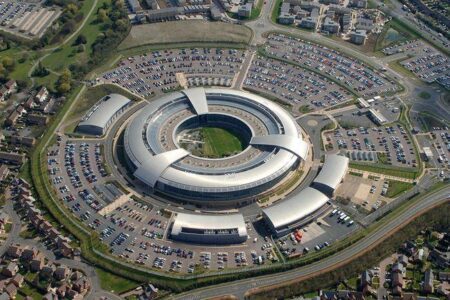
GCHQ

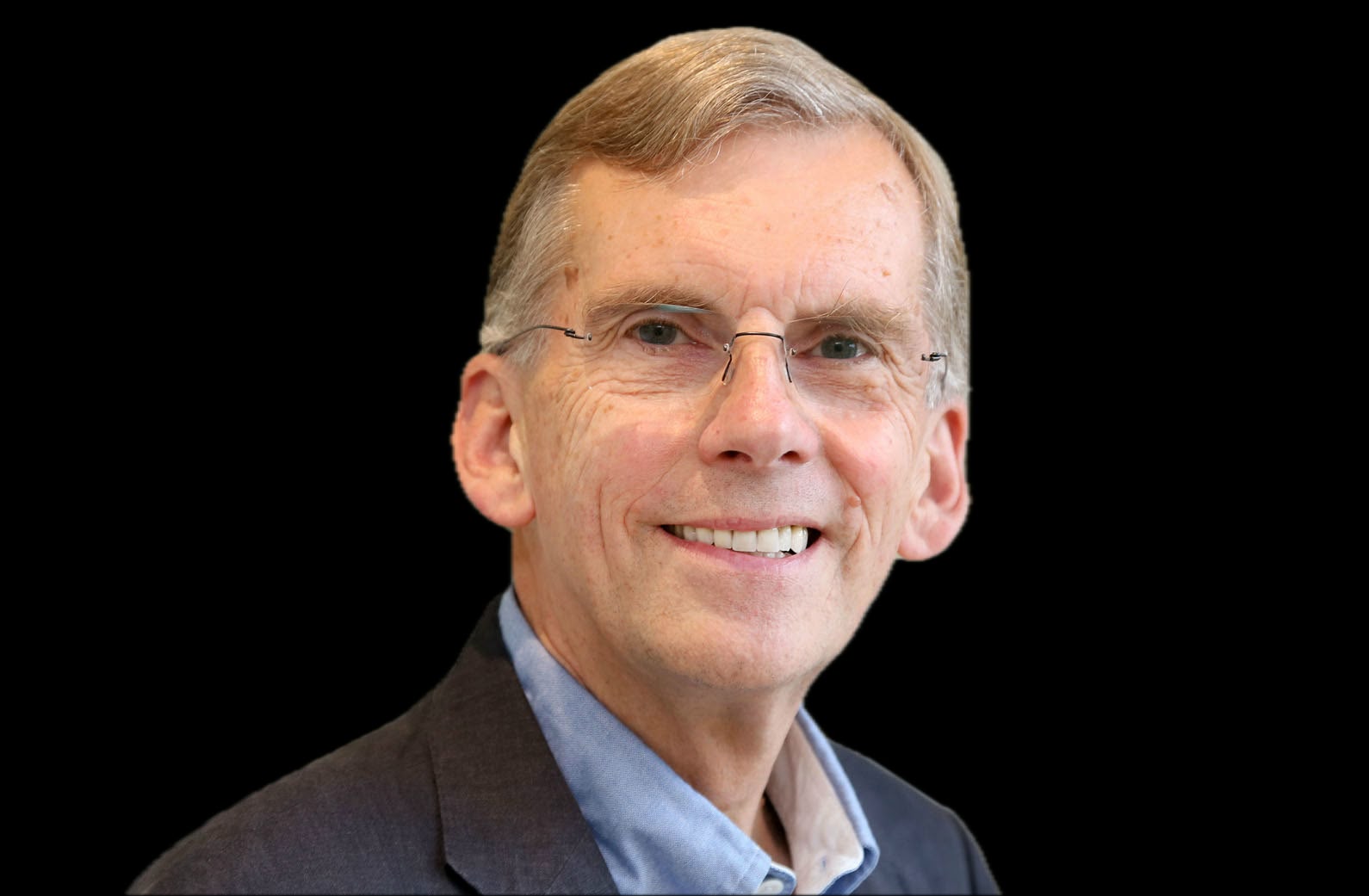
Share on

De olympiske leker og geopolitikk

  |   By  |  0 Comments

De olympiske leker og geopolitikk - GEOPOLITIKA
17. november, 2026

De olympiske leker og geopolitikk

Share

Staters bruk av sport som politisk virkemiddel blir stadig mer inngripende. De internasjonale idrettsmyndighetene forsøker å motvirke eller begrense denne utviklingen ved å innta en apolitisk og universell posisjon.

Kortversjonen

  • Staters bruk av sport som politisk virkemiddel blir stadig mer inngripende, mens internasjonale idrettsmyndigheter erklærer en apolitisk, universell holdning.
  • Den internasjonale olympiske komité (IOC) har eksklusiv beslutningsmyndighet over De olympiske leker, inkludert anerkjennelse av NOC-er og vertsutvelgelse.
  • Fjernsynets utbredelse og sponsing gjorde sport til en kapitaldrevet næring der TV-rettigheter og sponsorer genererer enorme inntekter.
  • Ukrainske skeletonutøver Vladyslav Heraskevych ble diskvalifisert fra Vinter-OL 2026 etter å ha insistert på å bruke minnehjelm med bilder av drepte idrettsutøvere.
  • Russlands invasjon har ifølge Ukrainas utenriksdepartement kostet over 650 ukrainske idrettsutøvere og trenere livet.

Sport er på én gang en uttrykksform, en livsstil, en atferdsmodell, et kommunikasjonsmiddel, en ideologi, en folkelig lidenskap, kultur, teknologi og vitenskapelig forskning. Den kan fungere som ventil for spenninger, men også mobilisere og forsterke massenes aggressivitet.

Moderne sport kjennetegnes først og fremst av sitt konkurranseelement, der seier blir det overordnede målet. Etter hvert har den utviklet seg til en profesjonalisert sektor med egen politisk, økonomisk, administrativ og medisinsk-faglig organisering.

Sport representerer også en form for diplomati. Den har vært brukt i internasjonale relasjoner siden begynnelsen av det 20. århundre, og spiller i dag en viktig rolle i global samfunnsøkonomisk utvikling.

En politisk tilnærming til sport er derfor uunngåelig og reflekterer definisjonen av «geopolitikk» formulert av Yves Lacoste: «Studiet av maktrivaliseringer og maktforhold som er gjenstand for motstridende forestillinger, og som utspiller seg på territorier og blant befolkningene som lever der.»

Lacostes forståelse av geopolitikk er en analysemetode som tar hensyn til romlige representasjoner, historie og geografi for å forklare konflikter. Den går utover tradisjonell politisk geografi og understreker forestillingenes og det kollektive imaginasjonsrommets betydning i konflikter. Sport er nettopp en atletisk konfrontasjon – en symbolsk konflikt – som kan manipuleres av ulike aktører.

Sport er et samfunnsfenomen der unge generasjoner ofte står i sentrum, men som også utnyttes av aktører som utvikler strategier for å kontrollere det eller høste økonomiske og politiske gevinster.

Sport som et kraftfullt verktøy for politisk kommunikasjon

Sport ble et redskap for politisk kommunikasjon tidlig på 1900-tallet, da stater innså hvilke fordeler som lå i den. Den ble brukt til å formidle nasjonal identitet, oppnå internasjonal anerkjennelse og til aggressiv politisk utnyttelse av utøveres prestasjoner.

Med fjernsynets gjennombrudd ble det raskt etablert en kobling i den kollektive bevisstheten mellom sportslige seire og nasjonal styrke. Ulike aktører begynte å bruke sport og de olympiske leker som arena for strategisk kommunikasjon: afroamerikanere under lekene i Mexico, tibetanere under lekene i Beijing, og – i en voldelig form – terrorbevegelser gjennom angrepet på Israels lag under lekene i München. Senere har også ikke-statlige organisasjoner brukt lekene som pressmiddel, blant annet Greenpeace i miljøspørsmål og Reportere uten grenser under lekene i Beijing.

Les også: Identitet, en avgjørende pådriver i geopolitikken 🔒

Sport, de olympiske leker og verdensmesterskapene i fotball har blitt så kraftfulle kommunikasjonsplattformer at de tiltrekker seg et bredt spekter av aktører. Disse bruker arrangementene som talerstol for å fremme egne budskap og interesser – ofte langt fra sportens kjerneverdier.

De økonomiske og politiske interessene som omfavner sporten

Med fjernsynets globale utbredelse økte de finansielle investeringene i sport kraftig, til det punktet at kapitalinteressene i stor grad begynte å definere idrettspolitikken. Penger fra ulike aktører – ofte med tilknytning til autoritære regimer – har bidratt til en omfattende etisk forskyvning i idrettssystemet og skjøvet mange amatøridretter og tradisjonelle idrettsverdier i bakgrunnen.

Sport, som tidligere var tett knyttet til kroppsøving og ble sett som et pedagogisk og til tider ideologisk verktøy – med eugeniske, estetiske, moralske og til og med rasemessige formål – ble oversvømt av kapital. Dette muliggjorde global vekst for enkelte idretter og gjorde dem til massefenomener på verdensbasis. Samtidig ble de tvunget til å endre format, regler, program og sendetider for å bli mer «TV-vennlige», fremme global distribusjon og fungere som redskap for markedsutvidelse for store multinasjonale selskaper.

Sport som statlig instrument i internasjonale relasjoner

Internasjonale relasjoner bygger blant annet på gjensidig anerkjennelse mellom stater – uten den ville de ikke eksistere – men også på maktbegrepet. Sport er en arena der begge disse dimensjonene kommer tydelig til uttrykk. En konkurranse mellom to landslag innebærer automatisk gjensidig anerkjennelse mellom statene.

Sport handler om å opprettholde kontakt, anerkjenne motstanderen og – gjennom nasjonale lag – overskride grenser og politiske konflikter. I internasjonal sammenheng uttrykker en kamp graden av aksept og anerkjennelse mellom to politiske regimer, og fungerer dermed som et barometer for politisk spenning. Man kan skille mellom tre grunnposisjoner: avvisning av møte, «første skritt» mot dialog, og fravær av symbolsk betydning når relasjonene er stabile og konsoliderte. Avvisning skjer når den andre parten oppfattes som selve inkarnasjonen av det onde.

Dette forekommer særlig i perioder med sterk ideologisk eller militær konflikt. Slik nektet Sovjetunionen i utgangspunktet å delta i de olympiske leker, fordi man forkastet det borgerlige idrettsidealet i vestlige demokratier. I stedet organiserte man en rivaliserende konkurranse blant landene i østblokken: Spartakiadene.

Den sovjetiske linjen endret seg gradvis i takt med utviklingen i utenrikspolitikken. På 1930-tallet forsto man sportens potensial og begynte å bruke den til å demonstrere makt, spre propaganda og infiltrere etterretningsagenter i Europa. Den 7. mai 1951 anerkjente Den internasjonale olympiske komité den nyopprettede sovjetiske olympiske komité under sin sesjon i Wien, og inviterte Sovjetunionen til å delta i sommerlekene i 1952 i Helsinki.

Dermed startet den kalde krigen på løpebaner, i hoppgroper, bokseringer, turnhaller og på fotballbaner. Utøverne bar den ikoniske trøyen merket CCCP – forkortelsen for Союз Советских Социалистических Республик (Sojuz Sovetskich Sotsialistitsjeskich Respublik), Unionen av sosialistiske sovjetrepublikker.

Med Sovjetunionens inntreden ble OL-historien mer konfliktfylt, preget av boikotter og utestengelser: afrikanske land i 1976, USA og deres allierte i 1980, Sovjetunionen og dets satellittstater i 1984, Russland under lekene i Tokyo 2021 som følge av statlig organisert doping, samt Russland og Belarus under de siste olympiske leker i Paris på grunn av angrepskrigen mot Ukraina.

Den internasjonale olympiske komité: en global stormakt i «sportens geopolitikk»

Grunnlagt i 1894 er Den internasjonale olympiske komité (IOC) en internasjonal, ikke-statlig organisasjon uten profittformål og med ubegrenset varighet. Den er organisert som en forening med status som juridisk person, og er anerkjent av det sveitsiske forbundsrådet i henhold til en avtale inngått 1. november 2000. Gjennom sin historie har IOC hatt kontroll over den internasjonale idrettsbevegelsen og har i betydelig grad bidratt til dens utvikling. Idretten har i realiteten blitt et verktøy for samfunnsutvikling takket være IOC – i tråd med Pierre de Coubertins visjon – både når det gjelder organisering og, ikke minst, strategisk innflytelse.

Som grunnlegger av De olympiske leker har IOC erklært seg som «øverste myndighet for den olympiske bevegelsen» og besitter all beslutningsmyndighet. Komiteen utøver full kontroll ved å avgjøre godkjenning (anerkjennelse) eller eksklusjon (regler 3.1 til 6 i Den olympiske charter) av bevegelsens to øvrige søyler: de nasjonale olympiske komiteene (National Olympic Committees – NOC) og de internasjonale idrettsforbundene (International Federations – IF). IOCs makt i idrettens verden er eksklusiv og gjennomgripende, ettersom den bestemmer hvem som får delta i De olympiske leker – et arrangement som er dens eksklusive eiendom, og som siden 1980-årene har generert enorme kapitalstrømmer.

Den finansielle styrken har vokst kraftig gjennom TV-rettigheter og sponsing fra multinasjonale selskaper. Dette har gjort det mulig å finansiere IF-er og NOC-er gjennom betydelige overføringer av inntekter. IOC velger også vertsby gjennom avstemning og fastsetter lekene kalender. Arena, deltakelse i den olympiske feiringen, TV-rettigheter og sponsoravtaler styres fullt og helt av IOC. Som den siste søylen i det olympiske systemet fungerer NOC-ene som IOCs representanter i hvert enkelt land – ikke omvendt – og sikrer dermed komiteens globale kontroll. De har ansvar for å utvikle den olympiske bevegelsen og spre dens idealer. Blant institusjonene som understøtter IOCs mål, spiller Idrettens voldgiftsrett (TAS/CAS) og Verdens antidopingbyrå (WADA) en sentral rolle.

Deres fremvekst må ses i sammenheng med den økonomiske transformasjonen av den globale idrettssektoren

Den internasjonale olympiske komité fremstår som en supermakt i internasjonale relasjoner. Dens makt bygger på autoriteten til å anerkjenne og inkludere land i den olympiske idrettsverdenen, på samme måte som De forente nasjoner (FN). Deltakelse i den olympiske seremonien fungerer som et bevis på internasjonal anerkjennelse – noe mange nye stater og autoritære regimer har et sterkt behov for. Denne anerkjennelsen har skapt en «sportslig geografi» som avviker fra den tradisjonelle politiske statsgeografien – og tidvis står i motsetning til den, slik tilfellet var ved anerkjennelsen av staten Palestina. Samtidig søker IOC å være den eneste internasjonale aktøren med global styringsmyndighet over idretten, for å styrke sin posisjon og eliminere potensielle rivaler som kan utfordre dens hegemoni.

Les også: Geopolitikken bak luksusindustrien

Andre sentrale aktører i idretten er statene, som bruker eller manipulerer idretten for å formidle budskap til egen befolkning; finansielle støttespillere som oppnår betydelige økonomiske gevinster; og, i nyere tid, ikke-statlige organisasjoner som Greenpeace og Amnesty International, som benytter store idrettsarrangementer som plattformer for å fremme sine budskap.

Den moderne olympiske visjonen kan symbolsk beskrives som en global «hybridkrig». Selv om den ikke åpent fremviser militære ambisjoner, gir den dem som kan lese idrettsstatistikk, en rangering av nasjoner som går utover militær styrke og bruttonasjonalprodukt.

Dette illustrerer hvordan olympismen er integrert i og spiller en strategisk rolle på det geopolitiske sjakkbrettet og i internasjonale relasjoner. Enten det gjelder totalitære regimer eller demokratier, har statene forstått hvordan idretten kan brukes – som et symbol på en kamp mellom utøvere som representerer sine nasjoner. En olympisk seier for en utøver eller et lag blir statens seier. Det er tilstrekkelig å observere de spontane og offisielle feiringene når medaljevinnere vender hjem. Den atletiske konkurransen fremstår dermed som et lett tilgjengelig og relativt rimelig virkemiddel for å styrke staters politikk, økonomi og myk makt.

Statlig bruk av idrett blir stadig mer inngripende, og de internasjonale idrettsmyndighetene forsøker å motvirke eller begrense denne innflytelsen gjennom en erklært apolitisk og universell holdning – hevdet med varierende styrke, avhengig av den politiske ledelsens idrettskultur. Likevel har verken IOC eller de internasjonale idrettsforbundene alltid klart å skjerme idretten fra politisk instrumentalisering. Enkelte land utnevner politikere til topposisjoner i nasjonale idrettsstrukturer, noe som skaper åpenbare interessekonflikter. Som vi stadig oftere har sett under de siste olympiske leker, har enkelte politikere iverksatt tvilsomme tiltak for å utnytte situasjoner og medaljer til egen fordel.

Streisand-effekten i de olympiske leker: hvordan et forbud forsterket Ukrainas budskap

Den symbolske makten til de olympiske leker kom tydelig frem under de olympiske vinterlekene i Milano og Cortina d’Ampezzo i Italia. Det som skulle være en rutinemessig disiplinær avgjørelse fra Den internasjonale olympiske komité utvikler seg i stedet til en global nyhetssak som strekker seg langt utover idrettens rammer.

Inntil for få dager siden var det få utenfor vintersportmiljøet som kjente til skeleton – betegnelsen på den spesielle kjelken, bestående av en enkel ramme med meier, brukt i denne disiplinen. Det er en individuell vintersport der utøverne kjører ned en islagt bane liggende på magen, med hodet først og føttene bak. Enda færre kjente til den ukrainske skeletonutøveren Vladyslav Heraskevych, som nå har blitt internasjonalt kjent etter å ha blitt diskvalifisert for en minnehjelm han ønsket å bruke under De olympiske leker i Milano og Cortina d’Ampezzo. Hjelmen bar en avbildning av ukrainske idrettsutøvere som har blitt drept under Russlands fullskala invasjon av Ukraina.

I en offisiell uttalelse opplyste IOC: «Etter å ha fått en siste mulighet vil den ukrainske skeletonutøveren Vladyslav Heraskevych ikke kunne delta i konkurransen under Vinter-OL i Milano Cortina 2026 i morges.»

Ifølge rapportene møtte IOC-president Kirsty Coventry Heraskevych i et forsøk på å løse konflikten. Den ukrainske utøveren nektet imidlertid å stille til start uten hjelmen med fotografier av venner og lagkamerater fra landslaget. Minnedesignet viser ansiktene til idrettsutøvere som er drept under krigen, blant dem vektløfteren Alina Perehudova, bokseren Pavlo Ischenko, ishockeyspilleren Oleksiy Loginov, skuespilleren og utøveren Ivan Kononenko, stupetreneren og tidligere utøveren Mykyta Kozubenko, skytteren Oleksiy Habarov og danseren Daria Kurdel.

Forbudet har imidlertid fått motsatt effekt: I dag har både navnet til Heraskevych og budskapet fått global spredning på sosiale medier og blitt gjenstand for bred omtale i ledende internasjonale medier.

Forklaringen ligger i et velkjent begrep innen atferdsøkonomi og psykologi kjent som  «Streisand-effekten». Det er et fenomen der forsøk på å undertrykke informasjon i stedet fører til økt oppmerksomhet og videre spredning.

Dersom Heraskevych hadde fått konkurrere med hjelmen uten kontrovers, ville øyeblikket raskt ha gått over. En skeletonkonkurranse varer under ett minutt. TV-kommentatorer kunne ha nevnt symbolikken i forbifarten. Mediedekningen ville trolig vært begrenset til et nisjepublikum av vintersportinteresserte som fulgte den aktuelle øvelsen.

I stedet utløste forbudet flere bølger av oppmerksomhet:

  • De første meldingene om hans planer om å bruke minnehjelmen spredte seg raskt i sosiale medier.
  • Mediedekningen av IOCs beslutning og de foreslåtte alternativene utløste en global debatt.
  • De offentlige reaksjonene fra ukrainske tjenestepersoner og utøvere har forsterket konfrontasjonen med Den internasjonale olympiske komité.
  • Den pågående debatten om rollen og etikken til internasjonale institusjoner har blusset opp på nytt.

Det som kunne vært et kort visuelt øyeblikk, utviklet seg dermed til en omfattende global samtale om krig, institusjonell nøytralitet og moralsk ansvar. Enkelte observatører mener derfor Heraskevychs standpunkt representerer en strategisk bruk av konflikt som kommunikasjon.

Ekspert på strategisk kommunikasjon, Yaryna Klyuchkovska, beskrev hendelsen som «en bruk av konflikt som en effektiv kommunikasjonsstrategi». Hun understreket at den forutsigbare reaksjonen fra IOC forsterket budskapet langt utover det en enkelt konkurranse kunne ha oppnådd.

Så i stedet for å bringe minnemarkeringen til taushet, gjorde forbudet den til en global fortelling med høy profil – en klassisk David mot Goliat-historie om en utøver som utfordrer en mektig institusjon.

Krigens kostnader symbolisert gjennom bildene av drepte utøvere

Ifølge Ukrainas utenriksdepartement har Russlands fullskala krig kostet over 650 ukrainske idrettsutøvere og trenere livet. Mer enn 800 idrettsanlegg er ødelagt, deriblant over 20 olympiske, paralympiske og deaflympiske treningssentre – (Deaflympics er de olympiske lekene for hørselshemmede, en internasjonal multisportkonkurranse arrangert med samme frekvens som de olympiske leker), organisert av Den internasjonale komiteen for døveidrett.

«Minnet om de falne og de dokumenterte forbrytelsene begått mot Ukraina og landets idrettsutøvere må verken glemmes eller bringes til taushet,» uttalte utenriksdepartementet i Kyiv.

Les også: Talen om to Frankriker: Ett for fotball, ett for rugby 🔒

De olympiske leker har historisk vært et symbol på fred, helt siden den antikke olympiske våpenhvilen i Hellas. Også i moderne tid har det blitt rettet appeller om våpenhvile. De siste ukene har pave Leo XIV flere ganger oppfordret til stans i kamphandlingene under lekene, men oppfordringene er blitt avvist av Moskva.

Russland har fortsatt krigføringen til tross for oppfordringer om olympisk våpenhvile. I begynnelsen av februar gjennomførte russiske styrker drone- og luftangrep som drepte flere sivile, blant dem barn, i regionene Kharkiv og Donetsk (ifølge Ukrainas utenriksdepartement).

Russiske utøvere vil igjen konkurrere under eget flagg i de kommende paralympiske vinterlekene

Det vil være første gang det russiske flagget heises under de paralympiske leker siden lekene i Sotsji i 2014.

Det vakte allerede betydelig oppsikt og kontrovers at Den internasjonale olympiske komité tillot russiske utøvere å delta i vinter-OL i 2026 under nøytrale betegnelser (OAR, ROC eller tilsvarende), uten russisk flagg, nasjonale symboler eller nasjonalsang. Nå vil den paralympiske troppen – som også inkluderer tidligere soldater som har deltatt i invasjonen av Ukraina – kunne konkurrere under russisk flagg og få nasjonalsangen spilt i internasjonal kringkasting.

Mens ukrainske idrettsutøvere blir drept i forsvaret av sitt land og diskvalifisert når de forsøker å hedre de falne, belønnes russiske utøvere med deltakelse i de olympiske leker. Som tidligere militære har noen av dem trolig blitt såret ved fronten, og de støtter aktivt sitt lands regjering.

  1. I Russland er idrett og statsmakt tett sammenvevd. Idretten er statsfinansiert, og olympiske medaljevinnere mottar økonomisk godtgjørelse fra russiske myndigheter.
  2. Mange russiske idrettsutøvere er medlemmer av Moskvas væpnede styrker. Selv om de konkurrerte under såkalt «nøytralt» flagg under vinter-OL i Beijing i 2022, vant russiske militære utøvere 14 av 32 medaljer. Det er representanter for de samme militære strukturene som nå bomber ukrainske sivile.
  3. Flertallet av russiske utøvere støtter krigen og regimet i sitt land. De opptrer side om side med president Putin ved store arrangementer, holder patriotiske taler og bærer med stolthet symbolet «Z».
  4. Russland benytter idrett som et propagandaverktøy. Selv når en russisk utøver vinner en medalje under nøytralt flagg, brukes prestasjonen av den russiske staten i propagandaøyemed og som del av en imperial politisk fortelling.
  5. Ukrainske idrettsutøvere må beskyttes. Hundrevis er drept av russiske styrker. Andre hundrevis har mistet lemmer og vil aldri kunne konkurrere igjen. De som har overlevd og fortsatt kan delta, står overfor betydelige strukturelle ulemper, ettersom hundrevis av idrettsanlegg over hele Ukraina er ødelagt av russiske bombardementer.

Sport som hybrid slagmark

I en tid der krig og idrett veves sammen gjennom geopolitikk, medier og teknologi, er synlighet avgjørende. Hjelmen, prydet med bilder av drepte utøvere, har gått fra å være et rent beskyttelsesutstyr til å bli et kraftfullt symbol – umulig å overse etter at kontroversen knyttet seg til dette tilsynelatende ordinære sportsutstyret.

Resultatet er at langt flere nå ikke bare kjenner navnet Heraskevych, men også navnene på – og historien bak – utøverne som fikk sine liv brutalt avbrutt, og hvis ansikter pryder hjelmen hans.

Dersom hensikten med forbudet var å holde krigen utenfor lekene, synes utfallet å ha blitt det motsatte. I tråd med logikken bak Streisand-effekten har forsøk på undertrykkelse ført til økt oppmerksomhet. Og gjennom denne forsterkningen har budskapet – at ukrainske idrettsutøvere blir drept i Russlands krig – nådd et globalt publikum.

Mens den ukrainske utøveren ble diskvalifisert for å ha forsøkt å hedre sine drepte lagkamerater, tillater International Paralympic Committee (IPC) russiske utøvere å vende tilbake til konkurranser med nasjonale flagg på hjelmene, etter at sanksjonene – både for invasjonen av Ukraina og for statsstyrt doping – er blitt opphevet.

Les også: Geopolitikk og krigen om ord 🔒

Russisk idrett har de siste årene vært underlagt omfattende diskvalifikasjoner som følge av et organisert system for statsstøttet doping. Mellom 2015 og 2022 stadfestet Den internasjonale voldgiftsretten for sport (TAS) flere sanksjoner, som innebar utestengelse av Russland fra olympiske leker og verdensmesterskap.

Sanksjonene omfattet forbud mot å arrangere større idrettsarrangementer, forbud mot at russiske embetsmenn og regjeringsrepresentanter kunne sitte i styrer for organer som har undertegnet WADAs regelverk eller delta på olympiske og paralympiske leker og verdensmesterskap. Russiske utøvere som ikke var direkte involvert i etterforskningene, kunne kun delta under nøytral betegnelse (OAR, ROC eller lignende), uten russisk flagg, nasjonale symboler eller nasjonalsang. I tillegg ble Russland ilagt bøter og pålagt å dekke alle kostnader Verdens antidopingbyrå (WADA) hadde hatt siden oppstarten av de nye etterforskningene, blant annet:

  • Statsdoping (2015–2019): Flere granskinger (McLaren-rapporten) avdekket systematisk manipulering av dopingtester, særlig under vinter-OL i Sotsji i 2014, med involvering av Moskva-laboratoriet og sikkerhetstjenesten FSB.
  • Utestengelse fra WADA og TAS (2019–2022): WADA (Verdens antidopingbyrå) ila i 2019 opprinnelig fire års utestengelse. I desember 2020 reduserte TAS straffen til to år (frem til 16. desember 2022).

Berørte olympiske leker:

  • Rio 2016: Delvis suspensjon av forbundet.
  • PyeongChang 2018: Utøvere fra Den russiske føderasjonen deltok som «OAR» (Olympic Athletes from Russia).
  • Tokyo 2020 og Beijing 2022: Russiske utøvere deltok som «ROC» (Russian Olympic Committee).
  • Suspensjon i friidrett: Det russiske friidrettsforbundet (RusAF) ble suspendert av World Athletics i 2015 – en sanksjon som vedvarte i flere år.

Nåværende situasjon (etter 2022): Etter at TAS-utelukkelsen utløp, fortsatte sanksjonene som følge av invasjonen av Ukraina. I 2024 og 2026 er russiske utøvere fortsatt utestengt fra å konkurrere som representanter for sitt land.

De seneste beslutningene fra Den internasjonale olympiske komité (CIO) viser hvordan politisk og økonomisk innblanding har svekket de olympiske prinsippene, organisasjonens autoritet og dens diplomatiske kapasitet. Opphevingen av sanksjonene som holdt Russland utenfor den olympiske arenaen – tiltak som var nødvendige for å hindre at dopede utøvere undergravde lekene og verdensidretten – samt russiske utøveres retur uten at WADA har kunnet gjennomføre foreskrevne dopingkontroller, svekker omdømmet til internasjonal idrett og de olympiske leker, som i stor grad bygger på kampen mot doping.

Gjeninnlemmelsen av russiske utøvere undergraver også Verdens antidopingbyrås (WADA) sentrale rolle i å beskytte utøvernes helse og forsvare den etikken idrettsbevegelsen hevder å stå for.

Gitt den globale synligheten og den geopolitiske betydningen av de olympiske leker – verdens mest kringkastede og fulgte idrettsbegivenhet – åpner disse beslutningene for at stater som søker å undergrave den internasjonale orden, kan bruke idretten som en form for «hybrid krigføring»: et ikke-kinetisk og lavkostnads virkemiddel for å omgå sanksjoner og delegitimere internasjonale institusjoner, organisasjoner og rettsordener.

Sport – geopolitikkens nye frontlinje

Notification

Du har nettopp lest en gratisartikkel

Geopolitika lever kun gjennom sine lesere. For å støtte oss, abonner eller doner.

Francesco DArrigo
Francesco DArrigohttps://www.strategicstudies.it/
Grunnlegger og leder for Det italienske instituttet for strategiske studier “Niccolò Machiavelli”.
Bell Icon

Du har nettopp lest en gratisartikkel

Geopolitika lever kun gjennom sine lesere. For å støtte oss abonnér eller donér!

Les mer

Siste nytt

------584823-->

Febbraio 2026

Staters bruk av sport som politisk virkemiddel blir stadig mer inngripende. De internasjonale idrettsmyndighetene forsøker å motvirke eller begrense denne utviklingen ved å innta en apolitisk og universell posisjon.

By Francesco D’Arrigo

Share on

La Russie intensifie sa guerre hybride contre l’OTAN

  |   By  |  0 Comments

Ottobre 2025

Avec le retour de Trump à la Maison-Blanche, des fissures sont apparues au sein de la communauté transatlantique, que la Russie tente d’exploiter et d’amplifier. L’analyse de Francesco D’Arrigo, directeur de l’Institut italien d’études stratégiques Niccolò Machiavelli

Il ne se passe pas un jour sans que la Russie ne viole les frontières européennes ou ne lance des attaques hybrides, menaçant d’un « conflit militaire » contre l’OTAN.


La Russie intensifie sa guerre hybride contre l’OTAN

Share on

SEDE LEGALE

ROMA

Via Circonvallazione Clodia N. 163/167
00195 – Roma
Italia

SEDE OPERATIVA

DIPARTIMENTO DI RICERCA E SVILUPPO
PALERMO

Polo Meccatronica Valley
Contrada Tonnarella Z.I.
90018 - Termini Imerese
Italia